A slight gap in your teeth may look harmless, but for many, it creates worries about looks and oral hygiene. This is known as diastema teeth, and it’s more common than you might expect.
Good news?
Fortunately, modern dentistry has several safe and effective ways to correct it.
Key Takeaways
- Diastema is a gap between teeth, usually in the front.
- It can be the result of genetics, gum disease or behaviors such as thumb sucking.
- There are two types: midline diastema (two teeth positioned in the middle) and generalized diastema (multiple tooth gaps).
- Treatments include braces, bonding and veneers.
- The sooner the diagnosis, the less the gap can widen.
- Choosing the best treatment depends on both cosmetic and health considerations.
What is Diastema?
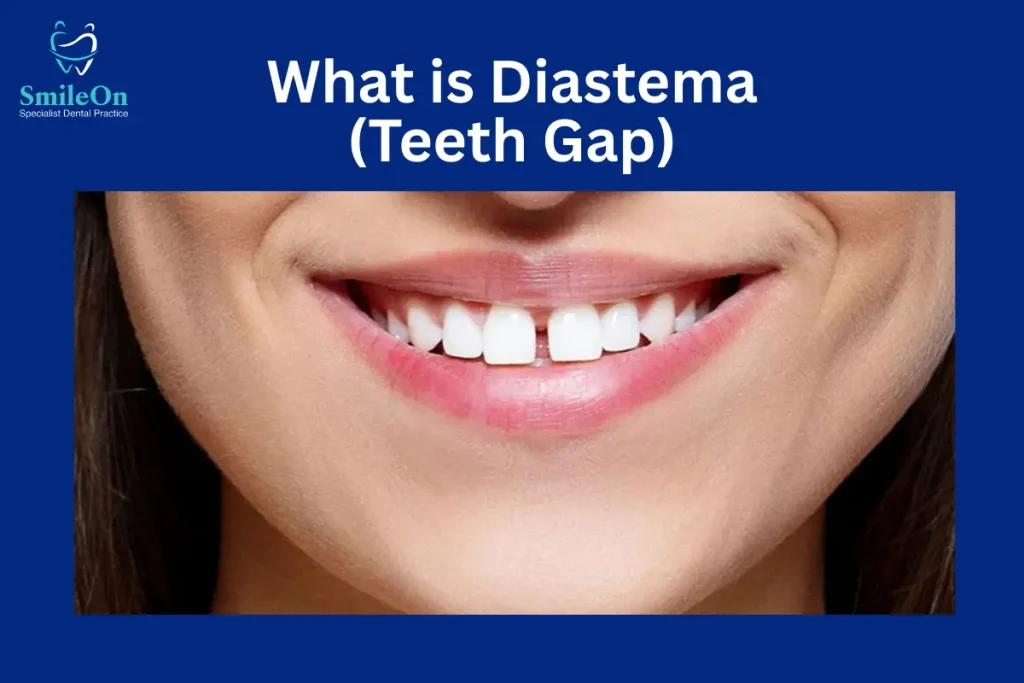
Diastema refers to the space between two teeth, particularly between the upper incisors. This is also known as a midline diastema, or median diastema.
Although some others are comfortable with this unique trait, a few look for teeth gap treatment from an aesthetic and functional point of view. Diastema is common in both children and adults, and tends to occur anywhere in the mouth, though it can most easily be detected at the front of the mouth.
A small space may not need treatment, but larger ones can compromise your bite, speech or confidence.
What Are the Symptoms of Diastema?
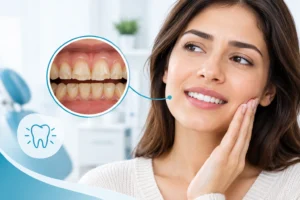
It’s typically easy to spot diastema, but it might be accompanied by other symptoms depending on the cause.
Common Symptoms Include:
- Gap in teeth, particularly noticeable between the front teeth
- There’s food often stuck between your teeth
- Misaligned or uneven teeth
- Gum tenderness or swelling (some times)
- Difficulty pronouncing certain words
The condition is purely cosmetic in many cases. But when symptoms are associated with gum disease or oral habits, they may become more prominent.
What Causes Diastema?
It helps to know the causes of the gap in teeth before selecting an option for treatment. There are many gap in teeth causes included:
Genetics:
The size of your teeth and jaw is largely determined by the genes you inherit. They can create gaps naturally when teeth are smaller than the jawbone.
Oversized Labial Frenum:
The labial frenum is the connective tissue between your upper lip and gums. If it’s too big, it can cause a midline diastema by pushing the teeth apart.
Gum Disease:
Advanced gum disease can dissolve the bone that supports your teeth and cause them to move and leave gaps.
Missing or Small Teeth:
When teeth are lost or unusually small, adjacent teeth may shift, leading to spacing problems.
Oral Habits:
Diastema in children is caused by habits including thumb sucking, tongue thrusting and overuse of a pacifier.
Improper Swallowing Reflex:
And others press their tongue into their teeth when they swallow, slowly causing a gap between the teeth to form over time, or simply cause issues in not chewing food properly.
What Are the Types of Diastema?
It comes in various forms, and diastema causes and treatments vary accordingly.
Midline Diastema
This most commonly occurs between the upper front teeth. It is often hereditary or due to a large frenum.
Generalized Diastema
It is not only the front ones, but several other teeth have space in between.
Mandibular Diastema
The gap is in the lower jaw rather than upper jaw.
Pathological Diastema
Caused by deeper problems such as gum disease or bone loss
What Are the Treatment Options for a Gap Between Teeth?
If you think diastema treatment is necessary, there are a number of effective solutions based on the severity and cause.
Braces (Orthodontic Treatment)
One of the most effective treatments for diastema is dental braces.
Benefits:
- Gradually closes gaps
- Corrects alignment issues
- Long-lasting results
Teeth Gap Braces Time Period:
The time scale varies, but is usually between 6 months to 2 years, depending on the size of the gap and general fit.
Clear Aligners
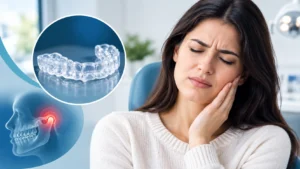
Clear aligners is a modern alternative to braces and nearly invisible and removable.
Ideal for:
- Mild to moderate gaps
- Adults looking for discreet treatment
Dental Bonding (Composite Filling)
Composite is a relatively quick, conservative, and cost-effective solution for diastema closure.
How it works:
- A composite resin material in a color similar to enamel is used as a filler
- Shaped and contoured to resemble natural teeth
Advantages:
- Completed in a single visit
- Affordable and minimally invasive
This technique is commonly called the teeth gap filling method.
Veneers
Dental veneers covers placed over the front of teeth to enhance appearance.
Best for:
- Cosmetic enhancement
- Larger gaps with uneven teeth
Frenectomy
If the gap is contributed to by a large frenum, this muscular structure may need to be surgically removed before orthodontic treatment.
Dental Implants or Bridges
Applied when the gap term is caused by lost teeth. They provide restoration of function as well as aesthetics.
How to Choose the Right Treatment?
Choosing an appropriate diastema treatment is based on a number of things:
- Size of the gap
- Cause of the gap
- Age of the patient
- Budget and preferences
- Overall dental health
This needs to be assessed clinically – a professional dental consult is important in establishing the best route.
Can Diastema Be Prevented?
Not all cases can be avoided, particularly those that are genetically induced. But you can lower the risk by:
- Maintaining good oral hygiene
- Treating gum disease early
- Avoiding harmful oral habits
- Regular dental checkups
FAQs
How to hide teeth gap temporarily?
You can hide a gap temporarily by using dental wax, temporary bonding kits or even orthodontic retainers. However, these are not permanent solutions nor should they substitute for professional treatment.
Why is the gap in my teeth getting wider?
Causes can include gum disease, bone loss or habits like tongue thrusting that push the teeth out of alignment. It’s best to seek the help of a dentist as early on as possible to avoid more serious issues.
How many people have a gap in their front teeth?
Diastema is quite common. It happens in a lot of kids and lasts into adulthood for some. The occurrence varies according to age, genetics, and medical history.
Conclusion
A tooth gap can be a distinctive trait, or an issue to fix. However your diastema teeth came to be, there are several safe and effective solutions available today, whether the cause is genetic, habitual or due to an underlying dental issue.
From temporary treatments that fill holes to permanent options like braces, dentistry of today guarantees that you’ll never have to settle for discomfort or frustration. The important thing is to catch it early and make sure you get the right treatment for your condition.
Whether you’re considering diastema closure with composite or other alternatives, seeing a professional dentist at SmileOn for advice is the best way to get your journey to a confident, healthy smile started!