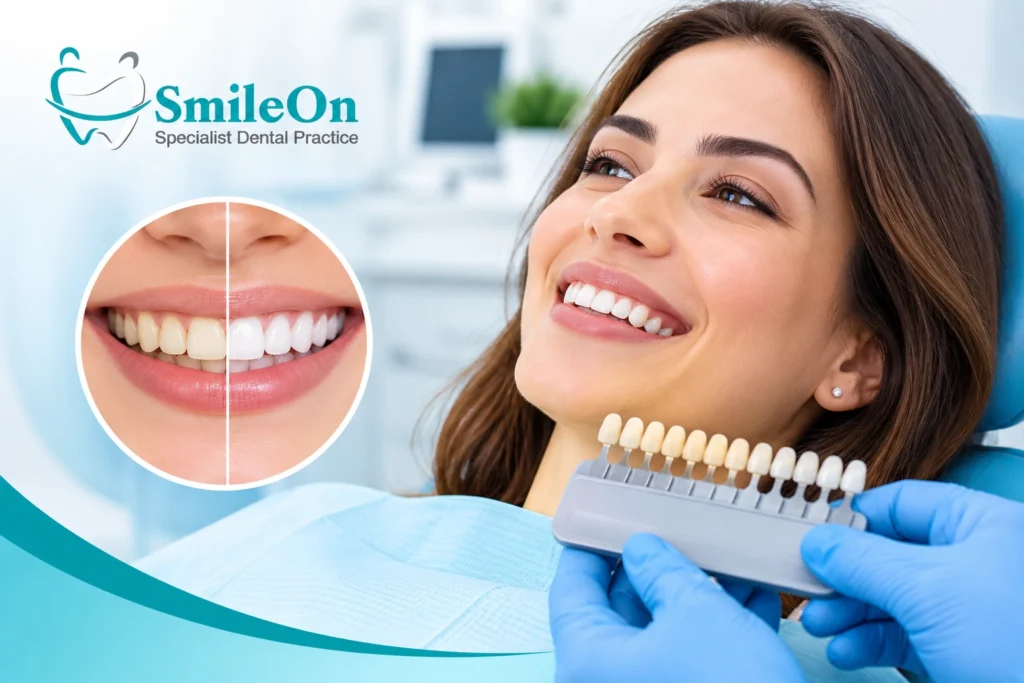
A bright, healthy-looking smile can make a positive difference in a person’s confidence and appearance. However, teeth can gradually lose their natural whiteness due to everyday habits, food choices, aging, and certain lifestyle factors. Drinking tea, coffee, and soft drinks, smoking, and inadequate oral hygiene can contribute to tooth discoloration. Although many whitening products are available in the market, achieving noticeable and safe results requires the right approach.
This is where a Teeth Whitening Specialist can help. Professional dental whitening focuses on reducing stains and improving the appearance of teeth while considering each patient’s dental health and individual needs. Instead of relying on random whitening products, patients can receive professional guidance and treatment designed for their teeth.
At SmileOn, patients can explore suitable dental care options to improve their smiles and maintain good oral health. Understanding how professional whitening works can help individuals make informed decisions before choosing a treatment.
What Causes Teeth to Become Discolored?
Teeth discoloration is a common concern that can affect people of different ages. Several factors can change the natural shade of teeth over time. Understanding these causes helps patients choose the right whitening approach.
Some common reasons include:
- Coffee and Tea: Regular consumption of coffee and tea can leave surface stains on tooth enamel.
- Smoking and Tobacco: Tobacco products contain substances that can cause yellow or brown stains.
- Aging: As people grow older, enamel gradually becomes thinner, allowing the naturally darker layer underneath to become more visible.
- Poor Oral Hygiene: Inadequate brushing and flossing can allow plaque and surface stains to build up.
- Certain Medications: Some medications may contribute to tooth discoloration.
- Food and Drinks: Dark-colored foods, sauces, and beverages can gradually affect tooth appearance.
Not every type of discoloration responds equally to whitening treatments. A dental assessment helps determine the possible cause and the most appropriate solution.
Professional scaling and polishing can remove certain surface stains, while teeth whitening helps lighten the natural shade of teeth. A dental examination can help determine which treatment is more suitable.
How a Teeth Whitening Specialist Helps Patients
Professional teeth whitening involves more than simply applying a whitening product. Dental professionals consider the condition of the teeth, existing dental concerns, and the patient’s expectations before recommending treatment.
A qualified Teeth Whitening Specialist can help patients through several important steps.
1. Examining Teeth Before Treatment
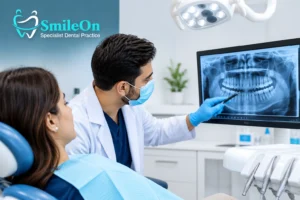
The first step is evaluating the patient’s oral health. A dental professional checks for cavities, gum inflammation, enamel problems, and other conditions that may affect whitening treatment. This examination helps identify whether the patient is suitable for professional whitening. If dental problems are present, they may need attention before starting the whitening process.
2. Identifying the Type of Tooth Stains
Not all tooth stains develop in the same way. Some appear on the outer enamel, while others develop within the tooth structure. Surface stains are often associated with coffee, tea, tobacco, and certain foods. Deeper discoloration may result from aging, previous dental injuries, or medications.
Identifying the type of staining helps a dental professional recommend a treatment that is more likely to deliver satisfactory results.
3. Recommending the Right Whitening Treatment
Different patients have different dental needs. Some may benefit from professional in-office whitening, while others may be suitable for dentist-supervised at-home whitening.
A dental professional considers factors such as tooth sensitivity, existing restorations, gum health, and the desired shade before recommending an option. This personalized approach helps patients avoid unnecessary treatments and unrealistic expectations.
4. Applying Professional Whitening Products
Professional whitening treatments generally use peroxide-based products, such as hydrogen peroxide or carbamide peroxide, to break down discoloration.
Depending on the selected method, treatment may take place in a dental clinic or involve custom-fitted trays used at home under professional guidance. The dental team follows appropriate application instructions to reduce the risk of gum irritation and tooth sensitivity.
5. Helping Patients Manage Tooth Sensitivity
Some people experience temporary sensitivity during or after teeth whitening. This can happen when whitening ingredients temporarily affect the teeth. A dental professional can assess sensitivity and recommend suitable measures, such as desensitizing products or adjustments to the treatment plan.
Patients should always communicate any discomfort rather than continuing a treatment that causes significant irritation.
Benefits of Choosing Professional Teeth Whitening
Many people consider whitening their teeth to improve their smile, but professional treatment offers benefits beyond appearance.
Here are some reasons patients choose professional dental whitening:
- Personalized Treatment: Whitening options can be selected according to individual dental conditions.
- Professional Assessment: A dentist checks oral health before recommending treatment.
- Controlled Application: Professional guidance helps ensure whitening products are used correctly.
- Better Understanding of Results: Patients receive realistic expectations about the possible level of whitening.
- Sensitivity Management: Dental professionals can help address discomfort during the treatment process.
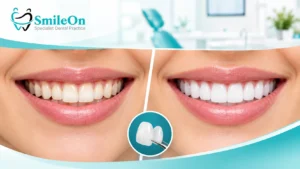
- Improved Smile Appearance: Reducing visible stains can make teeth look brighter and cleaner.
However, professional whitening does not permanently change tooth color. Results vary depending on the type of stains, treatment method, and personal habits.
Professional Teeth Whitening vs. At-Home Whitening Products
People often compare professional whitening with over-the-counter whitening products. Both options are available, but they differ in terms of supervision, treatment strength, and personalization.
| Professional Teeth Whitening | At-Home Whitening Products |
|---|---|
| Recommended after dental assessment | Often purchased without a dental examination |
| Treatment is professionally supervised | Used independently according to product instructions |
| Options can be customized | Limited personalization |
| Dental concerns can be identified beforehand | Existing dental problems may go unnoticed |
| Professional guidance is available | Results depend on correct product use |
At-home products may help reduce certain surface stains, but they are not suitable for everyone. Patients with sensitive teeth, gum problems, or untreated cavities should consult a dentist before using whitening products.
How to Maintain Your Results After Teeth Whitening
Maintaining a brighter smile requires consistent oral hygiene and healthy daily habits. Although whitening treatments can improve tooth appearance, new stains may develop over time.
Here are some practical ways to protect your results:
Brush and Floss Regularly
Brush your teeth twice a day using fluoride toothpaste and clean between your teeth daily. Proper oral hygiene helps remove plaque and reduce surface staining.
Reduce Stain-Causing Drinks
Coffee, tea, and dark-colored beverages can contribute to discoloration. Try limiting their consumption and rinsing your mouth with water afterward.
Avoid Tobacco Products
Smoking and tobacco use can cause noticeable staining and negatively affect oral health. Avoiding these products can help maintain a cleaner-looking smile.
Schedule Regular Dental Checkups
Routine dental visits allow professionals to monitor oral health and identify potential problems. Professional cleaning can also help remove certain external stains.
Follow Your Dentist’s Instructions
After whitening, follow the care instructions provided by your dental professional. Avoid using additional whitening products without proper guidance, especially if you experience sensitivity.
Who Can Benefit from Professional Teeth Whitening?
Professional whitening may be suitable for adults who want to improve the appearance of stained or discolored natural teeth.
People who may benefit include:
- Individuals with yellow or stained teeth.
- Coffee and tea drinkers experiencing surface discoloration.
- Adults noticing changes in tooth shade due to aging.
- People preparing for special occasions.
- Individuals who want to improve their smile’s overall appearance.
However, whitening is not appropriate for every dental condition. People with untreated cavities, gum disease, significant tooth sensitivity, or certain types of internal discoloration may need alternative treatments.
It is also important to understand that whitening products do not change the color of crowns, veneers, fillings, or other dental restorations. A dental consultation can help patients understand their options.
Why Professional Dental Guidance Matters
Choosing a whitening treatment without understanding your dental condition can lead to unnecessary sensitivity or disappointing results. Professional guidance helps patients understand what is causing discoloration and whether whitening is the right option.
An experienced dental professional can evaluate the teeth, explain available treatments, discuss possible side effects, and recommend an appropriate approach.
At SmileOn, patient-focused dental care helps individuals understand their treatment options and make decisions based on their oral health needs. Whether someone is concerned about surface stains or wants to improve their smile’s appearance, professional dental advice is an important starting point.
Final Thoughts
A brighter smile can improve confidence and make everyday interactions more comfortable. However, achieving good whitening results requires more than choosing a product from a store. Understanding the causes of discoloration, selecting an appropriate treatment, and maintaining proper oral hygiene all play an important role.
A qualified Teeth Whitening Specialist can guide patients through the process by assessing their dental health, recommending suitable whitening options, and helping manage sensitivity. With the right professional advice and consistent dental care, patients can work toward a brighter-looking smile while protecting their oral health.
SmileOn encourages patients to prioritize dental health and seek professional guidance before beginning any whitening treatment. A healthy smile is always the best foundation for a beautiful one.
Frequently Asked Questions (FAQs)
1. How long does professional teeth whitening last?
Professional teeth whitening results can last several months or longer, depending on oral hygiene, diet, smoking habits, and maintenance. Regular dental care helps maintain the results.
2. Is professional teeth whitening safe for teeth?
Professional whitening is generally considered safe when recommended and supervised by a dental professional. However, temporary sensitivity and gum irritation can occur.
3. How many sessions are needed for teeth whitening?
The number of sessions depends on the type of discoloration, the whitening method, and the patient’s desired results. Some treatments may produce noticeable changes in one appointment, while others require multiple applications.
4. Can teeth whitening remove deep stains?
Whitening may improve some deeper stains, but results depend on their cause. Certain types of discoloration may require alternative cosmetic dental treatments.
5. Can sensitive teeth undergo whitening treatment?
People with sensitive teeth may still be candidates for whitening, but they should have a dental examination first. A dentist can recommend suitable products or modify the treatment approach.
6. Does teeth whitening damage enamel?
When used correctly under professional guidance, approved whitening treatments are not generally considered harmful to healthy enamel. Excessive or incorrect use can increase sensitivity and irritation.