Bleeding gums may be more than irritation; they’re often the first hint that you have a problem in your mouth.
If you’ve ever seen blood while brushing or even flossing, you are not alone. So many of us encounter bleeding gums at some point, but knowing why it occurs and how to stop the flow is key to safeguarding both your gum and general health.
This guide explains what exactly bleeding gums means, some of the leading causes of it, how to prevent it from happening and treatment options you can consider.
Table of Contents
ToggleWhat Does it Mean When Gums Bleed?
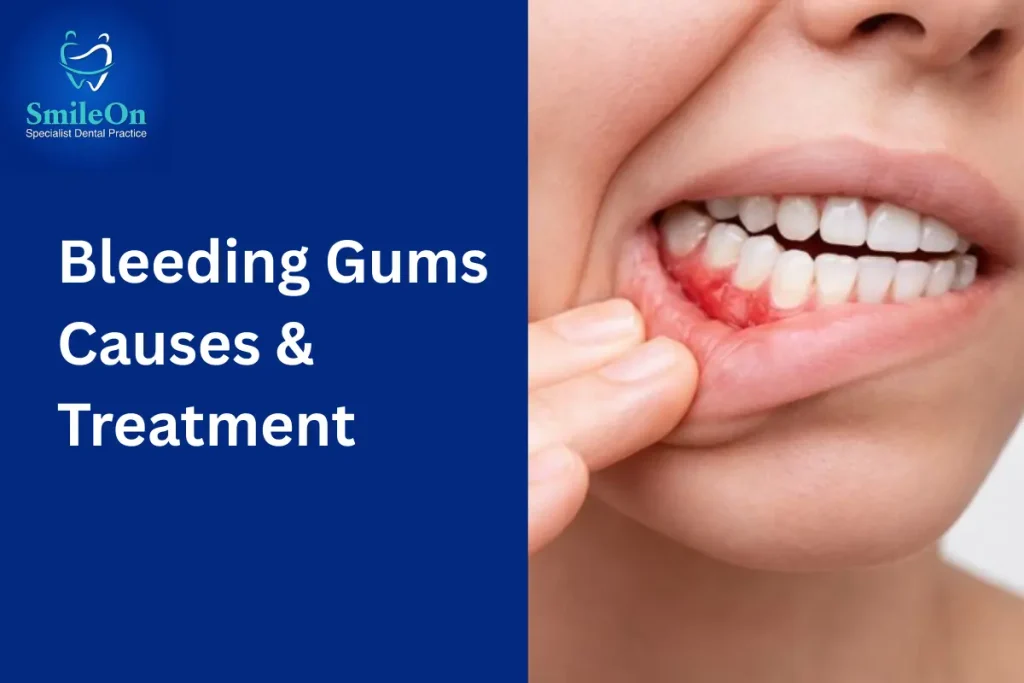
Gums that bleed are caused by irritation, inflammation or injury to the soft tissue in between your teeth. Healthy gums do not bleed when you brush or floss your teeth. So, if you see blood when you brush or floss, though it may look like it’s coming from the surface of your gums, there’s something deeper down that needs looking at.
For a lot of people, the first time they discover their gums bleed, it’s an isolated and relatively mild episode, perhaps a few blood spots on their toothbrush. But occasional bleeding should not be dismissed either. It’s frequently an early indicator of any type of gum disease or other health problems.
Bleeding can occur:
- While brushing or flossing
- After eating hard foods
- When pressure is applied
- Without any obvious trigger
The point is to be aware of this symptom at an early stage and to know the possible causes of it, so that you can respond accordingly.
What Causes Bleeding Gums?
There are many reasons that gums may bleed, and these include everything from the way a person brushes to more complex health issues. Here are the typical causes:
Gingivitis:
Gum disease begins with gingivitis. It occurs when plaque (a sticky film of bacteria) accumulates along the gum line. This plaque becomes irritating to the gum tissue without regular clearing by brushing/flossing, causing inflammation, swelling and bleeding.
Warning signs of gingivitis include:
- Red, swollen gums
- Gums that bleed easily
- Bad breath that won’t go away
- Tenderness around the gum line
If it’s caught early, gingivitis can be reversed with good oral hygiene and professional treatment.
Poor Oral Hygiene:
The more plaque remains on your teeth and gums, the greater the amount of harmful bacteria. When you miss flossing or brushing, even occasionally, you are missing the opportunity to remove bacteria before they have a chance to infect the gum tissue. In time, this causes irritation and bleeding of the gums.
Aggressive Brushing:
Brush too hard, and you can injure your gums. Using a hard toothbrush or brushing too hard can scrape gum tissue, which bleeds and becomes sensitive.
Flossing for the First Time:
The gums will bleed in the beginning, and your mouth may feel uncomfortable for a few days. That is normal and typically will go away; your gums are just toughening up and getting healthier with regular flossing.
Vitamin Deficiencies:
Failing to get enough key vitamins and minerals, in particular, vitamin C and vitamin K, can soften gum tissue, weaken blood clotting, causing more bleeding.
Typical deficiencies leading to bleeding gums are:
- Vitamin C deficiency
- Vitamin K deficiency
Hormonal Changes:
Conditions and stages of life such as pregnancy, menstruation, puberty and menopause might have a significant impact on the sensitivity of your gums and hence may aid in promoting bleeding. Your hormone levels surge and this excess of hormones affects how gum tissue reacts to the bacteria, which leads to more inflammation and bleeding.
Tobacco and Smoking:
Smokers have a hard time fighting infection, and the healing of gum tissue is also diminished. The disease does seem to progress more rapidly in smokers and with more bleeding if it is going to occur.
Medical Conditions:
There are a few systemic health problems which can present with bleeding gums:
- Diabetes
- Blood disorders like leukemia
- Immune system disorders
- Hormonal imbalances
If the gums are bleeding, then in some cases it can be a symptom of other problems, so you should be checked out properly.
Poorly Fitting Dental Appliances:
Poorly fitted dentures or braces can rub against your gums and irritate them, resulting in inflammation and bleeding.
How to Prevent Bleeding Gums
The majority of bleeding gums can be avoided through regular care and simple lifestyle changes.
Brush Properly – Twice a Day
Brush with a soft‑bristled toothbrush for a minimum of two minutes. Tough bristles may cause gums to bleed and enamel to wear out.
Pro tip: Angle your toothbrush at a 45-degree angle toward the gum line and use gentle, circular movements.
Floss Daily
By flossing, you take away small bits of plaque and food particles from in between the teeth, spots your toothbrush can’t go. Don’t give up if your gums start to bleed when you start flossing. Bleeding will decline when your gums are better, and you start flossing daily.
Use an Antimicrobial Mouthwash
Try using a bacteria-fighting mouthrinse to prevent plaque and inflammation. Seek out alcohol‑free formulas to keep your mouth from drying.
Eat a Balanced Diet
- Your gums require nutrients so they can be healthy and strong.
- Vitamin C facilitates gum health and tissue repair.
- Vitamin K is involved in blood clotting.
- Antioxidant-rich foods decrease inflammation.
- Add an abundance of fresh fruits, vegetables, lean proteins and whole grains into your meals.
Stay Hydrated
Water cleanses the bacteria and food particles in the mouth, which leads to a reduction in plaque buildup and acid in the oral cavity.
Avoid Tobacco Products
If you smoke or chew tobacco, quitting will also greatly improve the health of your gums and make them less likely to bleed.
Schedule Regular Dental Checkups
Regular cleanings help scrape away hardened plaque (tartar) which your regular brushing can’t remove. Dentists can also recognize early signs of gum disease and recommend treatment before it is more advanced.
Manage Health Conditions
If you have diabetes or another medical condition that affects your immune system or the circulation in your gums, keeping it in check can cut down on your risk of having gum problems.
How Are Bleeding Gums Treated?
Bleeding gums are an indicator, not a disease in themselves. The treatment varies depending on the cause.
Professional Dental Cleaning
If the cause of your bleeding gums is plaque and tartar buildup, then the first treatment recommendation often will be a deep cleaning by a dental professional. This may include:
- Scaling: Scraping away plaque and tartar above and below the gum line.
- Root planning: A procedure that smoothest the roots to help the gums reattach.
These treatments decrease bacteria and inflammation.
Improved Daily Oral Care
Your dentist will also remind you about brushing and flossing properly. Sometimes simply being reliable and gentle can have a major impact on how often or how much your child may bleed.
Antibiotic Therapy
In other instances, dentists may recommend antibiotic gels, rinses or capsules inserted at the gumline to curb infection and inflammation.
Correcting Dental Appliances
If ill-fitting dental work is irritating your gums, your dentist will adjust or replace it. Orthodontic appliances may require adjustments if they’re irritating the gums.
Surgery for Advanced Gum Disease
If the gum disease develops into a more severe form, known as periodontitis, surgery might be needed. These operations are used to cut away pouches between gum and tooth, which is otherwise difficult to clean and regenerate lost bone and tissue.
Examples include:
- Flap surgery
- Bone grafts
- Soft tissue grafts
These are often only considered if non-surgical options aren’t effective.
FAQs
What deficiency causes bleeding gums?
Bleeding gums are associated with vitamin C and vitamin K deficiencies.
Gum tissue health and repair depend on vitamin C. Without adequate vitamin C, connective tissue weakens, and gaps are created between gums and teeth, leading to inflammation and bleeding.
Vitamin K is involved in blood coagulation/fibrin formation. A lack of the vitamin means it’s difficult for blood to stop flowing once it starts.
Do I have to brush my gums if they bleed?
Yes, but with care. If your gums bleed, don’t stop brushing them. Instead, Use a soft‑bristled toothbrush.
Why do babies get bleeding gums?
It can have several causes for infants:
- Teething irritation
- Trauma from hard foods
- Vitamin deficiencies
- Infection or sores
Final Thoughts
Though you may feel it’s a minor issue, bleeding gums speak volumes not only about your oral health but also about your overall well-being. The good news?
For the most part, causes of gum bleeding can be kept under control and treated with proper care, meaning regular brushing, flossing, diet considerations, and even seeing a dentist.
Do not ignore the signals your body is sending you. Healthy teeth begin with healthy gums!