Wisdom teeth are viewed as a problem that can happen anytime. And most people think it must be taken out the moment you see them.
But that is not always the case. Plus, if they grow well and without problems, they can benefit you in different ways.
Instead of racing towards extraction, knowing when to keep it and how they can benefit the rest of your smile is important.
Key Takeaways
- The Wisdom tooth is not required to be removed always.
- Wisdom teeth that are healthy and positioned properly are not always a bad thing.
- They also improve chewing when present, and serve as backup teeth.
- Having them is a way to steer clear of surgery and additional expenses.
- They must be maintained with good oral hygiene.
- Dental checkups help to detect any problems early (before they get worse).
What Are Wisdom Teeth?
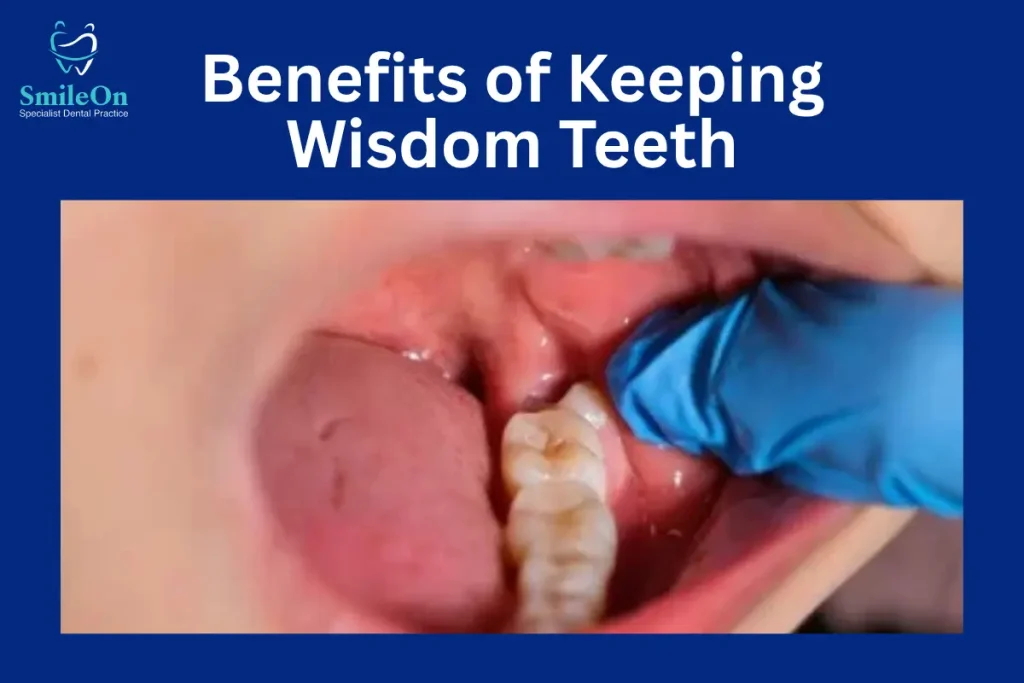
Wisdom teeth are the last molars to erupt, and they typically come in between ages 17 and 25. They are the “third molars” sitting in the furthest back corner of your mouth.
Traditionally these teeth have been handy when it comes to chewing areas of our diet with a higher toughness range. Our diets have changed and with that, our teeth and often jawbone are smaller than before, which is why we come into problems with wisdom teeth today. But, as long as they grow properly, they’re able to perform just like any other tooth.
Should You Always Remove it?
The short answer is no, wisdom teeth are not always removed. Dentists never recommend extraction unless there is an obvious issue, such as pain, infection or crowding.
Well, if your wisdom teeth are healthy and not bothering you, well-positioned, and easy to clean, then there is no indication for removal. Sometimes in fact, having them is the better and more natural choice.
In fact, tons of individuals journey through life with their wisdom teeth without worries at all. Having regular dental checkups and a proper oral hygiene routine is what matters most.
What are the Benefits of Keeping Wisdom Teeth?
Your wisdom teeth might give you more benefits than you think. If they are healthy and in the right position, then they can have a beneficial impact on your oral health.
Improved Chewing Ability
The extra molars provided by wisdom teeth can prevent all that work you have already put into developing stronger chewing muscles to be overwritten! This is particularly beneficial when eating tougher foods such as nuts, raw vegetables or meat.
Because your mouth is redistributing the pressure more evenly with extra chewing support, this can over time limit how much strain you are putting on your additional teeth.
Natural Backup of Lost Tooth
Keeping the wisdom teeth on is one of the most practical benefits, they can be a backup. If you lose a molar near it, through disease or trauma, wisdom teeth can step in to fill its function.
This is especially helpful to avoid more complicated dental procedures at a later date. Your real tooth might already be there to help, meaning implants or bridges may not need to be an immediate option.
Support for Dental Treatments
Wisdom teeth can sometimes be used by dentists as anchors to carry out dental work, such as bridges. It means that you might not need any additional procedures to build a solid foundation for treatment.
This makes some dental solutions easier, less expensive and much less invasive.
Avoiding Surgical Procedures
Removing wisdom teeth includes recovery time and wise potential to expose risks like any completely different procedure. Not having to extract healthy wisdom teeth means that you can avoid:
- Swelling and discomfort after surgery
- Risk of infection or complications
- A period of time spent away from work or daily life
This way of keeping them is easier and more comfortable if it can be done.
Cost Savings Over Time
The costs of medications, follow up visits, and dental extractions can accumulate. However, if you are able to keep your wisdom teeth when they are healthy you save yourself these financial burdens.
While you still have to go to the dentist, it usually is cheaper than surgery and recovery treatments.
Maintaining Natural Tooth Structure
Natural teeth are always the best option when they are healthy. Your wisdom teeth also provide structural support for your mouth by supporting your jaw and keeping your bite properly balanced.
Sometimes those are unnecessary, and so removing them can in turn alter alignment too without a proper reason for doing so.
When Should You Keep Them?
This holds true in some cases, but NOT ALL; very few wisdom teeth are worth keeping. It all depends on his injury and where he fits.
Wisdom teeth should be retained if your dentist suggests that:
- Erupt completely, patient can see in mouth
- Growing straight without affecting nearby teeth
- Pain free and not decayed or infected
- Simple to clean during daily oral hygiene
Your wisdom tooth can operate just like the other molars in your mouth, if these conditions are satisfied. For such instances, taking them off would rather hurt than help.
How Do We Keep Our Wisdom Teeth Healthy?
Wisdom teeth are harder to take care of due to their position.
Daily Care Tips
- Brush twice a day, making sure to reach the back molars
- Use a soft-bristled toothbrush
- Floss regularly
- Rinse with antibacterial mouthwash
Professional Care
So, for an average dental check up, you can visit your dentist every six months.
- Get X-rays when needed
- Address small issues early
Diet Tips
- Stay away from sticky FOOD that get STUCK
- Limit sugary snacks
- Drink plenty of water
When to Check the Doctor
If you keep your wisdom teeth, however, be sure to remain vigilant with regard to complications. They are far back towards the throat, so they tend to be harder to keep clean and more likely to cause problems if disregarded.
Some common problems include:
- Partially erupted teeth gum infection
- Food that remains stuck to teeth causes tooth decay
- Stressed-out neighboring teeth when there is lack of space
And also watch for warning signs. Pain, swelling, bad breath or trouble opening your mouth indicates that something is wrong and needs addressing.
On a positive note, however, most of these problems can be avoided through regular care and check-ups.
Conclusion
Wisdom teeth are often misunderstood. In some cases, they can cause problems but it is not always obvious. Properly grown and maintained, they can truly provide benefits from chewing to preserving your natural dentition.
The trick is do not kick them off without a reason; assess how they work. When we take care of them and have them checked regularly, wisdom tooth can be a healthy and functional part of our smile.
Confused and do not know if you need your wisdom teeth?
Speak to a specialist at SmileOn Dental Clinic, we will help you decide what is best for your situation.