Teeth grinding, also known as bruxism, is a common dental problem that can happen during sleep or while a person is awake. Many people grind or clench their teeth without realizing it. Over time, this habit can put excessive pressure on the teeth and jaw, leading to discomfort, sensitivity, headaches, and tooth damage.
The good news is that teeth grinding treatment can help reduce the effects of grinding and protect your oral health. Depending on the cause and severity of the problem, a dentist may recommend a custom mouthguard, stress-management techniques, dental treatment, or other approaches.
What Is Teeth Grinding?
Teeth grinding occurs when a person repeatedly clenches or rubs their teeth together. Sleep-related grinding can be difficult to notice because it happens while you are unconscious. Some people may only discover the problem after experiencing jaw pain, damaged teeth, or morning headaches. Daytime teeth grinding may happen when a person is concentrating, feeling stressed, or unconsciously holding their jaw tightly.
Occasional grinding may not cause significant problems, but frequent or forceful grinding can gradually affect the teeth, gums, jaw muscles, and temporomandibular joints.
What Causes Teeth Grinding?
There is not always one specific cause of teeth grinding. Several physical, emotional, and lifestyle factors may contribute to the condition.
Common factors include:
- Stress and anxiety
- Poor sleep habits
- Certain sleep-related problems
- An uneven bite
- Jaw muscle tension
- Some medications
- Lifestyle habits
- Excessive caffeine or stimulant consumption
Identifying possible triggers can help a dentist develop a more suitable treatment approach.
Signs You May Be Grinding Your Teeth
Because teeth grinding can occur during sleep, many people do not know they are doing it. Paying attention to certain symptoms can help identify the problem early.
Common signs include:
- Jaw pain or stiffness, especially in the morning
- Frequent headaches
- Facial muscle soreness
- Increased tooth sensitivity
- Flattened or worn-down teeth
- Small cracks or chips in teeth
- Tooth pain without an obvious cause
- Ear-area discomfort
- Difficulty or discomfort when opening the mouth
If you regularly experience these symptoms, a dental examination can help determine whether teeth grinding may be contributing to them.
How Teeth Grinding Damages Your Teeth
Your teeth are designed to handle normal chewing pressure. Grinding creates much stronger and repeated pressure.
Over time, this pressure can gradually wear down the protective enamel on your teeth. Once enamel becomes thinner, the inner parts of the tooth may become more sensitive.
Teeth grinding may cause:
Tooth Wear
Repeated grinding can flatten the biting surfaces of your teeth. Severe wear can change the natural shape of your teeth.
Tooth Cracks and Chips
Strong pressure may contribute to small cracks or chipped areas. Damaged teeth can become sensitive and may require dental treatment.
Increased Sensitivity
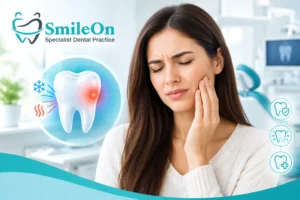
Worn enamel can expose areas of the tooth that are more sensitive to temperature and pressure. This may make hot, cold, or sweet foods uncomfortable.
Damage to Dental Restorations
Grinding can also put additional pressure on fillings, crowns, veneers, and other dental restorations. Your dentist can check these restorations for signs of excessive wear.
How Teeth Grinding Can Cause Jaw Pain
The jaw muscles work whenever you chew, speak, or move your mouth. Constant clenching or grinding can keep these muscles under excessive tension.
This may result in:
- Jaw soreness
- Facial discomfort
- Morning stiffness
- Pain around the temples
- Headaches
- Discomfort near the ears
- Difficulty moving the jaw comfortably
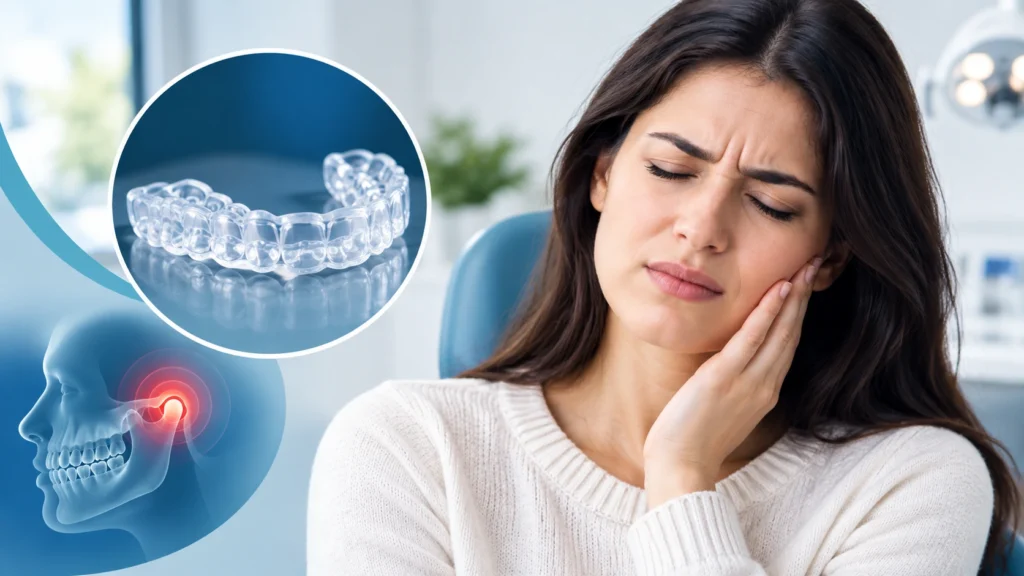
Persistent grinding can also place stress on the temporomandibular joints, which connect the jawbone to the skull.
How Does Teeth Grinding Treatment Help?
The right teeth grinding treatment depends on the underlying cause and the condition of your teeth and jaw. A dentist will generally assess your symptoms, dental wear, bite, and jaw muscles before recommending treatment.
Custom Night Guards
A custom-fitted night guard can create a protective barrier between the upper and lower teeth. It can help reduce direct tooth-to-tooth contact and protect teeth from excessive wear during sleep.
A professionally fitted appliance may also be more comfortable than a generic mouthguard because it is designed specifically for your mouth.
Stress and Relaxation Techniques
Stress can contribute to clenching and grinding for some people. Relaxation techniques, regular physical activity, better sleep habits, and other stress-management strategies may help reduce muscle tension.
A dentist may also recommend discussing persistent stress or anxiety with an appropriate healthcare professional when necessary.
Treating Damaged Teeth
If grinding has already caused tooth wear, cracks, chips, or sensitivity, additional dental treatment may be needed. Depending on the condition of the teeth, a dentist may recommend restorative procedures to rebuild or protect damaged areas. Treating existing damage does not necessarily stop grinding, so addressing the underlying problem is also important.
Improving Sleep Habits
Poor sleep may be associated with nighttime teeth grinding in some individuals. Maintaining a consistent sleep schedule, creating a relaxing bedtime routine, and limiting stimulating activities before bed may support better sleep.
If you have significant sleep problems or symptoms such as loud snoring or interrupted breathing during sleep, speak with a healthcare professional for appropriate evaluation.
Can Teeth Grinding Treatment Relieve Jaw Pain?
In many cases, reducing the pressure caused by grinding can help ease jaw discomfort. A properly fitted mouthguard may protect the teeth while reducing direct contact between them.
However, jaw pain can have several possible causes. Therefore, persistent or severe pain should not automatically be attributed to teeth grinding. A dental examination can help identify the underlying cause and determine an appropriate treatment plan.
Can Treatment Prevent Tooth Damage?
Early treatment may help reduce continued wear caused by frequent grinding. Protecting the teeth from repeated pressure can lower the risk of further damage.
Regular dental checkups are also important because a dentist can identify signs of enamel wear, cracks, sensitivity, or changes in the bite before they become more serious.
When Should You See a Dentist?
Consider scheduling a dental appointment if you regularly experience jaw pain, morning headaches, tooth sensitivity, or noticeable tooth wear. You should also seek professional advice if someone tells you that you grind your teeth while sleeping. Early evaluation can help identify the cause and prevent the problem from progressing.
At SmileOn, a dental professional can evaluate signs of teeth grinding and discuss suitable options based on your oral health needs. A personalized approach can help protect your teeth while addressing discomfort and other symptoms associated with grinding.
Final Thoughts
Teeth grinding may seem like a minor habit, but frequent grinding can gradually affect both your teeth and jaw. Persistent pressure can contribute to enamel wear, tooth sensitivity, cracks, and jaw discomfort.
Teeth grinding treatment can help protect your teeth and manage symptoms when the problem is identified and treated appropriately. If you notice signs of grinding, a professional dental evaluation is a useful first step toward understanding the cause and protecting your smile.
Frequently Asked Questions
1. What is the most common teeth grinding treatment?
A custom night guard is commonly used to protect teeth from direct grinding and reduce the effects of nighttime clenching.
2. Can teeth grinding cause permanent tooth damage?
Yes, frequent and forceful grinding can cause enamel wear, cracks, chips, and other forms of tooth damage over time.
3. Can teeth grinding cause jaw pain?
Yes, repeated clenching can overwork the jaw muscles and may contribute to jaw soreness, stiffness, and facial discomfort.
4. How do I know if I grind my teeth at night?
Morning jaw soreness, headaches, tooth sensitivity, worn teeth, or a partner hearing grinding sounds during sleep can be possible signs.
5. When should I seek teeth grinding treatment?
You should consider seeing a dentist if grinding is frequent or you experience tooth damage, sensitivity, jaw pain, headaches, or other persistent symptoms.