Good oral health is an important part of your overall well-being. Many people ignore dental problems until they become painful or difficult to manage. Regular dental visits can help identify problems early and keep your teeth and gums healthy.
If you are experiencing unusual changes in your teeth, gums, or mouth, it may be time to see the best dentist in Lahore. Here are some common signs that should not be ignored.
Table of Contents
Toggle1. Persistent Toothache
A toothache that continues for several days can indicate an underlying dental problem. Tooth decay, infection, damaged fillings, or gum problems can cause ongoing pain. Some people take painkillers and wait for the discomfort to disappear. However, pain relief does not always address the actual cause. A dentist can examine the affected tooth and recommend suitable treatment.
If your tooth pain is persistent or worsening, schedule a dental examination with a trusted dentist in Lahore.
2. Bleeding or Swollen Gums
Healthy gums usually do not bleed during normal brushing or flossing. Frequent bleeding, redness, swelling, or tenderness may indicate gum disease. Gum problems can begin with plaque buildup around the teeth. Without proper care, they may progress and affect the tissues supporting your teeth.
Professional cleaning and regular dental checkups can help manage gum problems before they become more serious. Visit a qualified dental professional if you regularly notice blood while brushing or flossing.
3. Increased Tooth Sensitivity
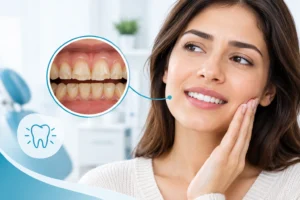
Do your teeth hurt when you drink something hot, cold, sweet, or acidic? You may have sensitive teeth. Sensitivity can result from worn enamel, gum recession, tooth decay, cracks, or other dental concerns. Occasional sensitivity may not always indicate a serious problem, but frequent or severe discomfort deserves professional attention. A dentist can identify the cause and suggest appropriate treatment to protect your teeth.
4. Bad Breath That Does Not Go Away
Bad breath can happen after eating certain foods or when you do not clean your mouth properly. However, persistent bad breath may be linked to plaque, gum disease, tooth decay, or other oral health issues. Brushing twice daily, cleaning your tongue, flossing, and drinking enough water can support better oral hygiene. If bad breath continues despite good oral care, arrange a dental checkup. Finding the underlying cause can help you enjoy fresher breath and better oral health.
5. Loose or Shifting Teeth
Adult teeth should remain firmly in place. If you notice a tooth becoming loose or your teeth starting to shift, do not ignore the change. Loose teeth can sometimes be associated with advanced gum disease, injury, infection, or bone loss. Early evaluation may help protect the affected tooth and prevent further complications. Contact an experienced dentist as soon as possible if you notice unexpected movement in an adult tooth.
6. Cracked, Chipped, or Broken Teeth
A cracked or chipped tooth can occur after an accident, sports injury, biting something hard, or due to weakened tooth structure. Even a small crack can become more problematic if you leave it untreated. Depending on the condition of the tooth, your dentist may recommend a filling, bonding, crown, root canal treatment, or another option. Do not wait for a damaged tooth to become painful before seeking professional care.
7. Changes in Your Bite
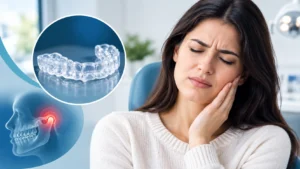
Your bite refers to how your upper and lower teeth come together. If your bite suddenly feels different, it may indicate a dental problem. Changes can occur because of tooth movement, damaged restorations, missing teeth, or other oral health concerns. You may also notice difficulty chewing or discomfort around your jaw. A dental examination can help determine why your bite has changed and whether treatment is needed.
8. Mouth Sores That Do Not Heal
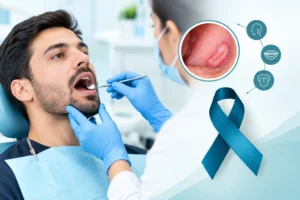
Small mouth ulcers can occur from accidental biting, irritation, or other minor causes. Most temporary sores improve within a short period. However, a sore that does not heal, repeatedly returns, or changes in appearance should be professionally assessed. Your dentist can examine the area and determine whether further evaluation is necessary. Do not ignore unusual or persistent changes inside your mouth.
9. Difficulty Chewing Food
Pain or discomfort while chewing can be a sign that something is wrong with your teeth, gums, or jaw. Cavities, cracked teeth, missing teeth, gum problems, and dental infections can all affect your ability to chew comfortably. You should not have to avoid certain foods because of dental pain. A professional examination can help identify the cause and guide you toward suitable treatment.
10. You Have Not Had a Dental Checkup Recently
Even if your teeth feel healthy, regular dental visits are important. Some dental problems develop without causing noticeable symptoms during the early stages. Routine examinations allow dentists to check for cavities, gum disease, enamel damage, and other concerns. Professional cleaning can also remove plaque and tartar that regular brushing may not eliminate. Regular checkups can help you maintain your smile and reduce the risk of unexpected dental problems.
When Should You See the Best Dentist in Lahore?
You should consider visiting a dentist if you experience persistent tooth pain, bleeding gums, sensitivity, bad breath, loose teeth, damaged teeth, or other unusual oral changes. Choosing the best dentist in Lahore means looking for a qualified professional who provides proper examination, clear treatment recommendations, and patient-focused dental care. Early treatment can often prevent minor problems from becoming more complicated.
Maintain Your Oral Health with SmileOn Dental
Your teeth deserve professional attention when something does not feel right. Ignoring dental symptoms can allow underlying problems to progress and may make treatment more complicated. SmileOn Dental provides professional dental care for patients looking to maintain healthy teeth and gums. Whether you need a routine examination or treatment for a specific dental concern, professional guidance can help you make informed decisions about your oral health.
If you are experiencing any of these warning signs, consider scheduling a dental consultation with SmileOn Dental and take an important step toward a healthier smile.
Conclusion
Dental problems do not always begin with severe pain. Tooth sensitivity, bleeding gums, persistent bad breath, loose teeth, mouth sores, and changes in your bite can all indicate that you need professional attention. Regular dental checkups and good oral hygiene can help protect your teeth and gums. If you notice any concerning symptoms, do not delay your visit. Consult a trusted dental professional such as SmileOn Dental for an appropriate examination and personalized care.