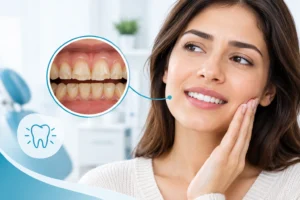
Regular dental visits are an important part of maintaining healthy teeth and gums. Many people only visit a dentist when they experience tooth pain, sensitivity, swelling, or another noticeable problem. However, some dental conditions can develop without obvious symptoms in their early stages. Routine checkups allow a dentist to monitor your oral health and identify concerns before they become more difficult to manage.
If you are looking for a dental checkup in Lahore, regular preventive visits can help you maintain your smile, protect your existing dental work, and develop better oral hygiene habits.
Why Are Regular Dental Checkups Important?
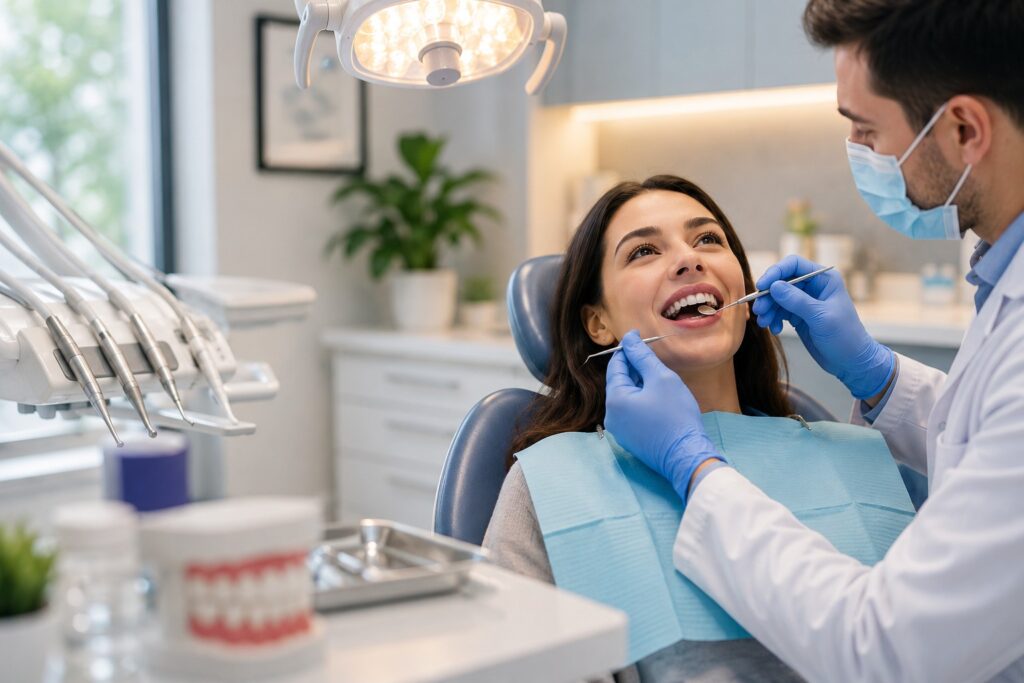
A dental checkup is more than simply looking for cavities. During an examination, a dentist can assess your teeth, gums, bite, existing restorations, and overall oral condition. Depending on your individual needs, your dentist may also recommend professional cleaning or dental X-rays.
The American Dental Association notes that dental care should be tailored to an individual’s oral health needs and risk factors rather than following exactly the same schedule for everyone.
Here are some of the main benefits of maintaining regular dental appointments.
1. Dental Problems Can Be Detected Early
One of the biggest advantages of routine dental visits is early detection. A small cavity, damaged filling, early gum inflammation, or minor crack may not cause noticeable pain. If left unchecked, however, the problem may become more serious and require more extensive treatment.
During a dental examination, your dentist can look for signs of tooth decay, gum problems, worn restorations, and other changes. Finding these issues early can often make treatment more straightforward. Dental examinations are specifically used to identify oral health problems at an early stage, including cavities and gum disease.
2. Your Gum Health Can Be Monitored
Healthy gums are an important part of a healthy mouth. Bleeding, swelling, redness, tenderness, or gums that are pulling away from the teeth may indicate a problem that needs attention. A dental checkup helps your dentist monitor the condition of your gums and identify plaque, tartar, inflammation, recession, and other warning signs of gum disease.
If you notice changes in your gums, professional assessment is important. Gum disease can progress over time and may affect the tissues and bone supporting your teeth.
3. Professional Cleaning Helps Remove Tartar
Daily brushing and cleaning between your teeth are essential, but they cannot remove every deposit from the mouth. Plaque can harden into tartar, particularly around the gumline.
Professional scaling and polishing helps remove plaque and tartar that cannot be effectively removed with a toothbrush at home. Regular professional cleaning can also make it easier to maintain good oral hygiene.
MedlinePlus explains that professional scaling is required to remove tartar, while polishing helps clean the tooth surfaces after scaling.
4. Existing Dental Work Can Be Checked
If you have previously received dental treatment, regular examinations can help your dentist monitor the condition of that work. Fillings, crowns, bridges, implants, dentures, and root canal-treated teeth may require occasional review. Your dentist can look for signs of wear, cracks, looseness, food trapping, or changes around the treated area.
For example, a dental crown may continue to function well for years, but regular examinations allow your dentist to identify potential concerns before they affect the surrounding tooth or gums.
5. You Get Personalised Oral Health Advice
Everyone’s teeth and gums are different. Some people are more likely to develop cavities, tartar buildup, gum problems, sensitivity, or other oral health concerns.
During a checkup, you can discuss your current brushing and cleaning routine with your dentist. You may receive recommendations about:
- Brushing technique
- Fluoride toothpaste
- Cleaning between the teeth
- Diet and sugary foods
- Managing sensitive teeth
- Protecting your teeth from grinding
- How frequently you should return for an examination
The ADA also recommends tailoring oral-care guidance according to an individual’s needs and risk of dental disease.
6. Children Can Develop Better Dental Habits
Regular dental visits can help children become comfortable with dental appointments from an early age. Instead of associating the dentist only with pain or urgent treatment, children can become familiar with routine examinations and preventive care.
Parents can also receive guidance on brushing, fluoride toothpaste, diet, and protecting children’s teeth from decay. Starting good oral health habits early can make it easier for children to maintain those habits as they grow.
7. Regular Visits May Help Prevent Dental Emergencies
Regular checkups cannot prevent every dental emergency, but they can help identify problems before they become urgent.
A small cavity, loose filling, cracked tooth, or developing gum problem may eventually cause significant discomfort if ignored. Detecting these issues earlier gives you an opportunity to discuss appropriate treatment before the condition becomes more complicated. Preventive dental care is therefore an important part of protecting your oral health over the long term.
What Happens During a Dental Checkup?
The exact process depends on your oral health and the reason for your visit. A routine dental examination may include:
- Reviewing your dental concerns – Your dentist may ask about pain, sensitivity, bleeding, or other changes.
- Examining your teeth – Teeth are checked for cavities, cracks, wear, and other concerns.
- Checking your gums – Your dentist evaluates your gums for inflammation and other signs of gum disease.
- Assessing existing dental work – Fillings, crowns, bridges, dentures, and other treatments may be reviewed.
- Professional cleaning when appropriate – Scaling and polishing may be recommended to remove plaque and tartar.
- X-rays when clinically necessary – X-rays can reveal problems that cannot always be seen during a visual examination. The need and frequency of X-rays depend on individual factors.
- Personalised recommendations – Your dentist explains any findings and suggests appropriate next steps.
How Often Should You Have a Dental Checkup?
There is no single appointment schedule that is suitable for every patient. Some people may benefit from visits around every six months, while others may require more frequent monitoring because of their oral health, dental history, or risk factors.
For this reason, it is better to follow the schedule recommended by your dentist rather than assuming that everyone needs exactly the same number of visits each year.
If you have tooth pain, swollen or bleeding gums, sensitivity, a broken tooth, or another concerning symptom, you should not wait for your next routine appointment.
Dental Checkup in Lahore at SmileOn Dental Clinic
At SmileOn Dental Clinic in Johar Town, Lahore, regular dental checkups can help you stay aware of your oral health and address potential concerns at an appropriate stage. A routine visit may involve examining your teeth and gums, checking existing dental work, assessing plaque and tartar buildup, and discussing your daily oral-care routine. Where necessary, your dentist can recommend further examination or treatment based on your individual needs.
Preventive dental care is not only about treating problems. It is also about understanding your oral health and taking practical steps to protect your teeth and gums. If it has been a while since your last dental visit, consider booking a dental checkup in Lahore for a professional assessment.
Frequently Asked Questions
Is a dental checkup necessary if my teeth do not hurt?
Yes. The absence of pain does not necessarily mean that your teeth and gums are completely healthy. Some dental problems can develop without noticeable symptoms, which is why routine examinations are useful for early detection.
How long does a dental checkup take?
The length of an appointment varies depending on the patient’s needs. A routine examination may be relatively quick, while a visit involving cleaning, X-rays, or further assessment may take longer.
Does every dental checkup include an X-ray?
No. Dental X-rays are not automatically required at every visit. Your dentist decides whether imaging is appropriate based on factors such as your oral health, age, risk of disease, and symptoms.
Can regular checkups help with gum disease?
Regular examinations allow your dentist to monitor gum health and identify signs of inflammation or periodontal disease. Professional cleaning and personalised home-care advice may also form part of preventive or ongoing gum care.
When should I book a dental checkup?
You should follow the examination schedule recommended by your dentist. You should also arrange an appointment sooner if you develop tooth pain, bleeding or swollen gums, sensitivity, a cracked tooth, or another new oral-health concern.
Final Thoughts
Regular dental checkups are an important part of preventive oral care. They can help identify problems early, monitor gum health, remove tartar through professional cleaning, protect existing dental work, and give you personalised advice for maintaining your teeth.
You do not have to wait for a toothache before seeing a dentist. If you are due for a routine examination, a dental checkup in Lahore can be a practical step toward maintaining healthier teeth and gums for the long term.