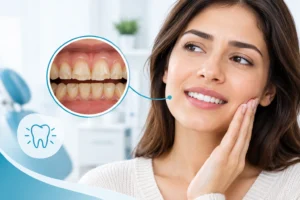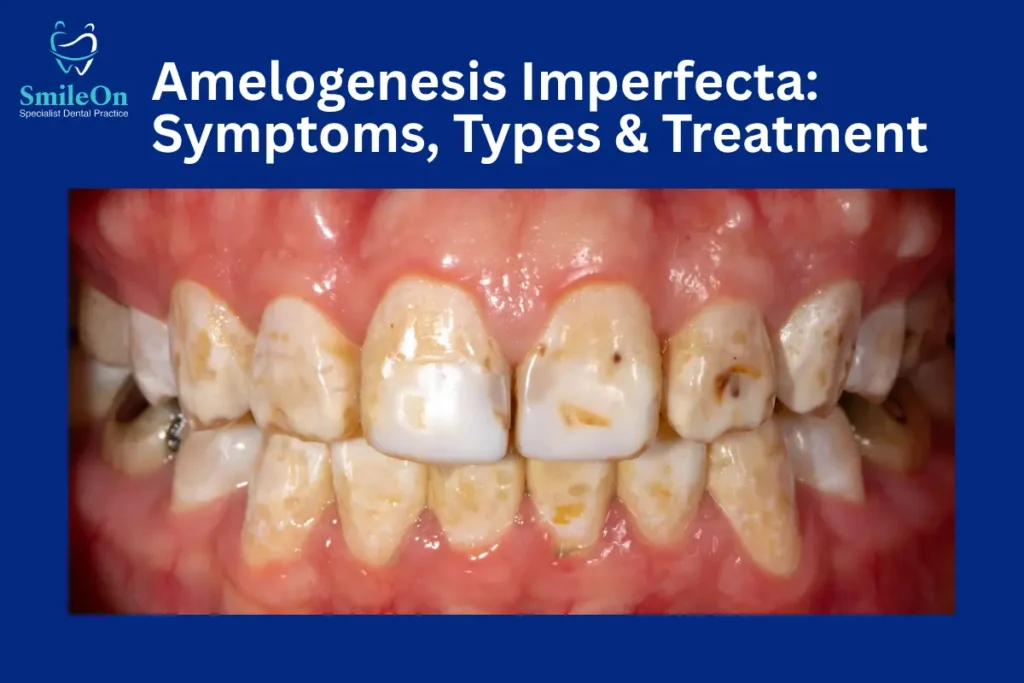
Natural tooth enamel helps to create proper functioning of teeth and also makes them look attractive. But even though most of us have a healthy set of teeth, there are still some born with genetic conditions that stop the enamel from forming correctly. For instance, Amelogenesis Imperfecta (AI), a relatively rare hereditary enamel structure defect.
This can lead to everything from sensitivity to staining and also quick damage to dental wellness. It shows that in many cases, this doesn’t only affect your smile but also affects your self confidence.
However, with complete knowledge of the causes, symptoms, and treatment options, you can protect your beautiful smile for years to come.
Key Takeaways
- Amelogenesis Imperfecta (AI) is a genetic disorder that has an effect on the formation of enamel in one or more types of teeth.
- The disease may lead to weakened, thin, discolored, or malformed enamel.
- Due to the wide range of enamel defects shown in patients with amelogenesis imperfecta (AI), several types exist.
- It can also be a reason for common symptoms like sensitive teeth, wearing down of the tooth structure followed by their appearance, and that they don’t meet your aesthetic desire (tooth color/crooked teeth etc.)
- Treatment may include dental crowns, veneers, fillings, and preventive dental care.
- AI is different from dentinogenesis imperfecta as it causes defects on enamel but not dentine.
- Proper care and treatment by professionals at SmileOn help you get shiny bright teeth and a lively smile back!
What is Amelogenesis Imperfecta?
This is caused by mutations in genes involved in the process of enamel formation and development. Enamel coats our smile and protects it from daily hazards, bacteria, and temperature changes. Improper formation of it leaves teeth vulnerable to damage and decay.
This may happen with either the main or primary (baby teeth) and permanent teeth. AI may occur in isolation or as a result of other illnesses. There are different stages of Amelogenesis Imperfecta.
The nature of the disorder is variable among people. The severity of staining can range between light stains and very dense spots on tooth enamel with dentin sensitivity. It is also known as Enamel Dysplasia, which usually describes the enamel development abnormalities.
What Causes Amelogenesis Imperfecta?
However, the most common cause of AI is mutations that interfere with normal development of enamel.
There are a number of genes linked with the condition, including,
- AMELX
- ENAM
- MMP20
- FAM83H
Patients get this disorder in different ways:
- Autosomal dominant
- Autosomal recessive
- X-linked inheritance
So, if either or both parents carry the recessive gene, it can be passed on to their child.
Symptoms of Amelogenesis Imperfecta
The severity and the specific enamel defect determines the AI symptoms.
Common Symptoms Include:
Tooth Discoloration
Teeth may appear:
- Yellow
- Brown
- White
- Chalky
- Pitted
Weak or Thin Enamel
Enamel may chip or wear away quickly while chewing.
Tooth Sensitivity
Patients generally suffer pain or sensitivity to:
- Hot foods
- Cold drinks
- Sweet foods
Small or Misshapen Teeth
Teeth may look deformed or not so large in size.
Quick Tooth Wear
Because enamel is weak, teeth can erode faster than healthy teeth.
Increased Risk of Cavities
Enamel with damage leaves teeth more prone to bacterial decay.
Bite Problems
Fewer patients may develop open bites or have problems of alignment.
What are the Types of Amelogenesis Imperfecta
Amelogenesis imperfecta can be divided according to its effects on enamel formation into several subtypes.
Hypoplastic Type
This variety creates enamel that is extremely thin, but durable.
Characteristics:
- Small teeth
- Pits and grooves
- Rough teeth surfaces
- Reduced enamel thickness
Hypomaturation Type
This is when the enamel is not normally matured.
Characteristics:
- Softer enamel
- Mottled appearance
- Increased sensitivity
Hypocalcified Type
Enamel forms but does not mineralize properly.
Characteristics:
- Very soft enamel
- Not enough calcium to strengthen enamel
- Teeth wearing quickly
Hypomaturation/Hypoplasia Type
It incorporates many defects of enamel together with large teeth and short roots.
The types of amelogenesis imperfecta with their specific clinical features help the dentist in giving an appropriate treatment plan.
Amelogenesis Imperfecta vs Dentinogenesis Imperfecta
These conditions may look similar, but they affect different tooth parts:
| Feature | Amelogenesis Imperfecta | Dentinogenesis Imperfecta |
| Affected Structure | Enamel | Dentin |
| Main Problem | Defective enamel formation | Weak dentin formation |
| Tooth Appearance | Thin, rough, discolored enamel | Blue-gray or translucent teeth |
| Tooth Strength | Enamel chips easily | Teeth fracture internally |
| Cause | Genetic enamel defects | Genetic dentin defects |
If you want to learn more about dentin-related tooth disorders, read this detailed guide on Dentinogenesis Imperfecta.
How Can You Diagnose Amelogenesis Imperfecta?
How dentists identify AI through:
Clinical Examination
The dentist checks:
- Tooth color
- Enamel thickness
- Surface texture
- Tooth wear
Dental X-Rays
Dental X-rays also help evaluate density of enamel and involve teeth structure.
Family History
Family history is a key diagnostic tool because AI is part-genetic.
Genetic Testing
Sometimes, DNA testing will determine which individual mutation test in the category is present.
What is the Amelogenesis Imperfecta Treatment?
AI is a permanent anomaly, and while modern dentistry does not “cure” AI, at SmileOn we do offer many effective amelogenesis imperfecta treatments that can restore lost function as well as improve the teeth’s appearance.
Preventive Dental Care
Preventive care helps reduce complications.
Recommended options:
- Fluoride treatments
- Regular dental checkups
- Desensitizing toothpaste
- Good oral hygiene habits
Dental Bonding
With tooth-colored resin that also improves appearance and protects weak enamel.
Best For:
- Mild enamel defects
- Cosmetic improvements
Dental Crowns
Crowns are used for protecting and covering your badly damaged tooth.
Benefits:
- Improve chewing ability
- Reduce sensitivity
- Restore aesthetics
In the cases of severe AI crowns are frequently one of the best long-term treatment options.
Veneers
Porcelain veneers with the front teeth that have discoloration or other defects of the enamel.
Benefits:
- Natural-looking smile
- Improved confidence
- Long-lasting cosmetic enhancement
Orthodontic Treatment
Some patients with AI also have a misaligned bite, making orthodontic braces necessary.
Full Mouth Rehabilitation
In extreme situations, dentists may suggest complete restorative treatment that entails many procedures.
This may include:
- Crowns
- Teeth Implants
- Veneers
- Bite reconstruction
Conclusion
Hence, this disease is way more than a cosmetic dental issue. Amelogenesis imperfecta is a genetic disorder that causes malformed enamel to be formed, teeth with low strength and provide an increased susceptibility to dental disease.
Precise diagnosis and management are not possible without proper awareness of clinical features, most common signs and symptoms, and amelogenesis imperfecta types.
Recent treatment options for amelogenesis imperfecta are crowns, veneers and preventive treatments which present a considerable improvement on dental function and aesthetic appearance.
However, as always, an ounce of prevention is worth a pound of cure.
FAQs
Is amelogenesis imperfecta same as enamel hypoplasia?
No. Although both conditions present with enamel defects, hypoplasia is typically due to a disparate environmental factor (illness, nutritional deficiency) and Amelogenesis Imperfecta is an autosomal-dominant genetic condition.
When does this condition emerge?
Symptoms usually appear when baby teeth start to come in. typically around 6 months of age.
Is there any other part of the body that can be affected by AI?
Depending on the case, AI predominantly affects the teeth. But, as with all rare syndromes linked to AI, it can affect other parts including nails, bones or kidneys.