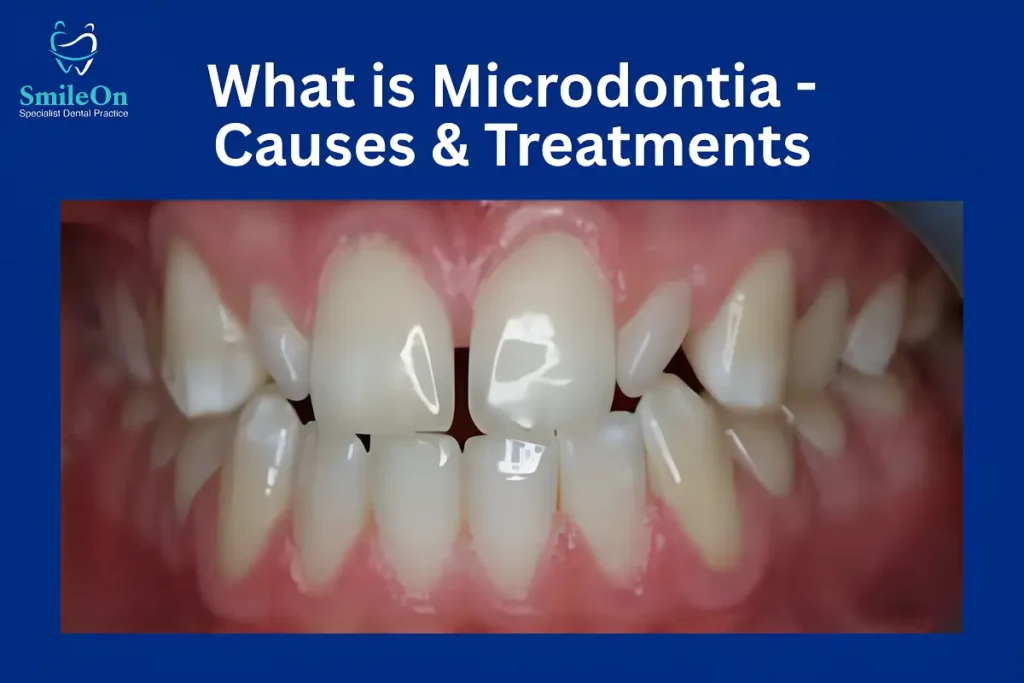
Got teeth that look a little smaller than average? Are those out of proportion?
This condition is known as microdontia and, while it may appear to have a relatively minor cosmetic impact, in some cases, it can report underlying dental or genetic issues.
So, in a simple way, we will discuss it so you have complete clarity as to what’s going on and what action steps you can take.
Key Takeaways
- Microdontia is when your teeth develop abnormally small and are smaller than the average-sized tooth.
- It may affect one, a group, or all the teeth.
- Genetics, developmental problems, and specific syndromes are all frequent reasons.
- Selecting a proper microdontia treatment is possible with an early diagnosis.
- The solutions can be from cosmetic fixes to orthodontic solutions.
What is Microdontia?
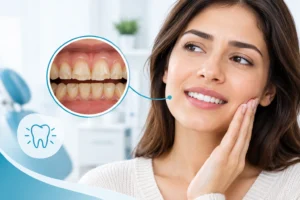
Microdontia is a dental condition when one or more teeth are smaller than the usual size. These smaller teeth can present as peg-shaped, narrow, or simply smaller-sized than neighboring teeth.
This condition can occur in both baby teeth and permanent teeth, but it happens more often with a permanent tooth. Microdontia teeth sufferers frequently observe chipped, spaced teeth, uneven smiles, or bite issues.
Types of Microdontia
The microdontia types can also better guide the dentist to adopt an appropriate treatment method. There are three main categories:
Localized Microdontia
This is the most common type. Only one or a few teeth are smaller than normal.
Example: Peg-shaped lateral incisors
Relative Generalized Microdontia
Here, the teeth are normal-sized, yet the jaw is bigger than normal (meaning the teeth look small).
True Generalized Microdontia
An actual condition in which all subsequent teeth are genuinely smaller than normal is rare. It is often associated with a genetic condition or syndrome.
What is The Main Cause of Microdontia?
Microdontia has not just one cause, it happens from an influence of genetic and environmental factors.
Common Microdontia Causes Include:
- Genetics: Family history, A large part in genetics
- Developmental Disorders: Conditions that involve tooth formation
- Radiation Exposure: Especially during childhood
- Cleft Lip or Palate: State for syndromes that may be associated with abnormal tooth size
- Hormonal Imbalances: Affect tooth growth
Associated Conditions:
- Down syndrome
- Ectodermal dysplasia
- Pituitary dwarfism
Frequently, microdontia teeth are apparent without a significant disease component, but an evaluation still remains important.
What are the Symptoms of Microdontia?
Depending on severity and how many teeth are affected, symptoms can vary.
Common Signs:
- Noticeably small or peg-shaped teeth
- Gaps between teeth (spacing issues)
- Uneven smile appearance
- Difficulty with biting or chewing
- Certain cases may experience speech problems
Even if functional problems do not occur, the aesthetic effect can reduce confidence.
How is Microdontia Diagnosed?
Microdontia diagnosis is usually done when a routine dental check-up is performed.
Common Diagnosis Methods:
Clinical Examination
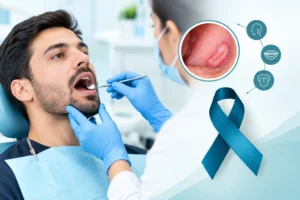
The dentist visually checks the height and shape of the teeth.
Dental X-Rays
These help evaluate:
- Tooth roots
- Jaw structure
- Development patterns
Medical History Review
To help them determine if there are genetic or developmental disorders associated with the problem.
Measurements & Comparison
Dentists also examine the sizes of teeth based on standard dental measurements.
An early diagnosis helps in microdontia teeth treatment, particularly in growing children.
The Microdontia Teeth Treatment: Ultimate Solutions
Here are the treatments, depending on many factors and patient needs:
Dental Bonding
Dental Bonding is a speedy, inexpensive solution that reshapes the teeth using tooth-colored resin.
- Best for normal cases
- Improves appearance instantly
Veneers
Teeth Veneers treatment include:
- Thin shells or veneers that cover the front surface of teeth
- Ideal for cosmetic enhancement
- Long-lasting results
Dental Crowns
- During more coverage
- Restores shape, size, and strength
Orthodontic Treatment
Braces or aligners help:
- Close gaps
- Improve alignment
- Improves overall smile
Dental Implants
- Where teeth are tiny or lacking
- Permanent solution
- Restores function
Combination Treatments
Dentists will very often utilize a combination of methods together for the best results.
Microdontia teeth treatment is determined based on age, severity, and health status.
When to Visit the Dentist?
If you observe the following, then you need to see a dentist:
- Unusually small teeth
- Large gaps between teeth
- Changes in bite or alignment
Life After Microdontia: What You Need to Know
The large majority of people with microdontia go about their lives just fine. While the condition is not painful or dangerous, it can affect confidence levels.
The good news is that modern dentistry at SmileOn Dental Clinic in Lahore has very effective solutions, so you don’t have to live with cosmetic issues if they displease you.
Conclusion
Microdontia might seem like a minor problem, literally, but it can make a big difference in your smile and self-esteem. Fortunately, managing and correcting microdontia teeth has never been easier due to modern dental treatments.
Now you can be on the fast track to a healthy, happy, and confident smile by getting any suspicious symptoms checked with a simple dental visit.
FAQs
Is microdontia a serious dental condition?
No, typically it isn’t severe. But if left, it may lead to cosmetic problems and sometimes affect the bite.
Can microdontia affect both children and adults?
Microdontia can occur in baby teeth or permanent teeth, so it can occur at any age.
Can microdontia be prevented?
It is commonly linked with genetics or development, and in such a case cannot be avoided. But it can be managed with proper dental care at an early age.