Healthy gums are an important part of a healthy smile, but gum problems can sometimes develop without causing obvious pain. Many people do not realise there is a problem until they notice bleeding, swelling, bad breath, or changes around their teeth.
Gum disease can begin with mild inflammation caused by plaque and tartar. Without proper care, it may progress and affect the tissues and bone that support your teeth. Recognising the early warning signs can help you seek professional care before the condition becomes more serious.
If you are searching for gum disease treatment in Lahore, knowing what symptoms to watch for is a useful first step. Here are seven signs that should not be ignored.
1. Your Gums Bleed When You Brush or Floss
Bleeding gums are one of the most common signs that your gums may not be healthy. You may notice blood while brushing, flossing, or cleaning between your teeth. Occasional bleeding should not simply be dismissed as normal. Inflamed gums can bleed more easily when plaque builds up around the gumline.
Continue cleaning your teeth gently rather than avoiding brushing or flossing. If the bleeding happens regularly, a dental examination can help identify the underlying cause.
2. Your Gums Look Red, Swollen, or Sore
Healthy gums are generally firm and comfortable. Red, swollen, tender, or puffy gums can indicate inflammation. One possible cause is gingivitis, which is an early form of gum disease. At this stage, professional cleaning and improved daily oral hygiene may help restore gum health. Professional scaling and polishing can remove plaque and tartar that regular brushing cannot completely eliminate.
3. You Have Persistent Bad Breath or a Bad Taste
Bad breath does not always mean you have gum disease. It can also be associated with dry mouth, food particles, tooth decay, smoking, or other oral health issues. However, persistent bad breath despite regular brushing may be linked to bacteria around or below the gumline.
A constant unpleasant taste in your mouth can also be a reason to arrange a dental examination. Identifying the cause is important because treating the underlying problem is more effective than simply masking the smell.
4. Your Gums Are Pulling Away From Your Teeth
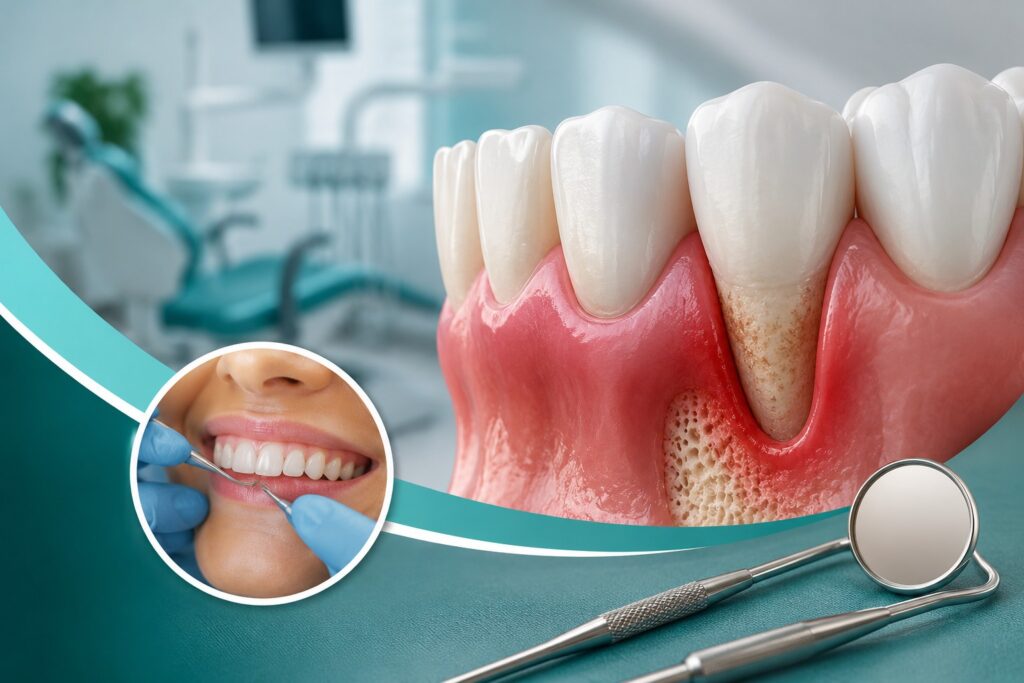
Do your teeth look longer than they used to? This may happen when the gums begin to recede. Receding gums can expose more of the tooth surface, which may increase sensitivity and make your teeth appear longer.
Gum recession can be associated with gum disease, but it can also have other causes, including brushing too aggressively. A dentist can examine your gums and determine why the recession is occurring. Early assessment can help protect the gum tissue and prevent the problem from progressing.
5. You Notice New Gaps or Food Trapping Between Your Teeth
Changes in the spaces between your teeth can sometimes indicate changes in the supporting gum and bone tissues. You may notice that food repeatedly becomes trapped in the same area or that spaces between your teeth look different than before.
These changes deserve attention, especially if they are new or becoming more noticeable. Gum disease can affect the structures that support your teeth, so an examination can help determine what is happening.
6. A Tooth Feels Loose or Your Bite Has Changed
A loose tooth should never be ignored. In advanced gum disease, damage to the tissues and bone supporting the teeth can cause teeth to become mobile. You may notice that a tooth moves slightly when you bite or that your teeth no longer come together in the same way.
A change in your bite can have several possible causes, so professional assessment is important. Early treatment may help protect the remaining support around the affected tooth.
7. You Notice Pus, Swelling, or Pain When Chewing
Pus around the gums, noticeable swelling, pain while chewing, or increasing tenderness can indicate an infection or another dental problem. These symptoms should be assessed promptly rather than waiting for them to disappear on their own.
If swelling spreads to your face or neck, or you experience fever, difficulty swallowing, or difficulty breathing, seek urgent medical or dental care.
Where Can You Get Gum Disease Treatment in Lahore?
If you have noticed one or more signs of gum disease, a professional examination is the best way to understand the cause. At SmileOn Dental Clinic in Johar Town, Lahore, a dentist can assess your gums, teeth, plaque and tartar levels, and the tissues supporting your teeth. Depending on your symptoms, the examination may include checking the depth of gum pockets and taking dental X-rays when necessary. This assessment helps determine whether you have early gum inflammation or a more advanced periodontal condition.
What Treatment May Be Recommended?
The appropriate treatment depends on the condition of your gums and how much the supporting tissues have been affected. For early gum inflammation, professional cleaning, scaling and polishing, along with better brushing and interdental cleaning, may be recommended.
When plaque and tartar have accumulated below the gumline, a deeper professional cleaning such as scaling and root planing may be required.
Some patients may need additional periodontal care depending on the severity of their condition. Your dentist can recommend a treatment plan based on your individual oral health needs.
Treatment should not be based on symptoms alone. A proper examination helps identify the cause and determine the most suitable approach.
How to Protect Your Gums After Treatment
Good home care plays an important role in maintaining healthy gums after treatment.
Follow these simple habits:
- Brush your teeth twice a day with fluoride toothpaste.
- Clean between your teeth every day with floss or interdental brushes.
- Attend dental check-ups at the intervals recommended by your dentist.
- Follow professional cleaning recommendations when needed.
- Avoid smoking, as it can negatively affect gum health and healing.
- Tell your dentist about any health factors that may affect your gum health.
- Do not ignore recurring bleeding, swelling, bad breath, or gum recession.
Consistent oral hygiene can help reduce plaque buildup and support healthier gums over time.
Frequently Asked Questions
Can gum disease be cured?
Early gum disease, known as gingivitis, can often be reversed when plaque is effectively removed and daily oral hygiene improves. More advanced gum disease may not be completely reversible, but it can often be managed and stabilised with professional treatment and regular maintenance.
Is scaling enough for gum disease?
Scaling may be enough for some cases of early gum inflammation, particularly when combined with effective home care. However, deeper gum pockets or bone loss may require more advanced periodontal treatment. Your dentist can determine the appropriate treatment after an examination.
Can gum disease cause tooth loss?
Yes. Advanced, untreated gum disease can damage the tissues and bone that support your teeth. As the supporting structures become weaker, teeth may become loose and eventually be lost. Getting professional care early can help protect your natural teeth and reduce the risk of further damage.
When should I see a dentist for bleeding gums?
If your gums bleed regularly while brushing or flossing, it is worth discussing the problem with a dentist. Persistent bleeding can be a sign of gum inflammation or another oral health issue.
What are the early signs of gum disease?
Common early signs include bleeding gums, redness, swelling, tenderness, persistent bad breath, and changes in the gumline. Early assessment can help prevent the condition from becoming more advanced.
Don’t Wait for Gum Problems to Get Worse
Bleeding gums, persistent bad breath, gum recession, swelling, or loose teeth should not be ignored. These symptoms can have different causes, so a professional examination is important for an accurate diagnosis.
If you have noticed any of these warning signs, consider arranging an appointment with SmileOn Dental Clinic in Johar Town, Lahore for an assessment and personalised treatment plan.