A confident smile is not always about having perfectly straight teeth. Sometimes, a little discoloration, a chipped edge, or an uneven tooth shape can make you feel less comfortable when smiling in photos or meeting new people. If you want to improve these cosmetic concerns, dental veneers may be worth considering.
Dental veneers are thin, custom-made coverings that fit over the front surfaces of teeth. They are designed to improve the appearance of your smile while maintaining a natural look. However, before choosing this procedure, it is important to understand what changes you can realistically expect.
At SmileOn Dental, learning about the procedure, available options, and long-term care can help you make a more informed decision about your dental health.
What Can Dental Veneer Treatment Change About Your Smile?
One of the main reasons people consider veneers is that they can address several cosmetic concerns at once. Rather than focusing on a single issue, a carefully planned treatment can improve the overall appearance of selected teeth. The results depend on your natural tooth structure, the condition of your teeth and gums, and the type of veneers used.
1. A Brighter Appearance for Discolored Teeth
Some tooth stains develop because of food, drinks, aging, or other factors. While professional teeth whitening can help with many types of discoloration, certain stains may be difficult to remove completely.
Dental veneers can cover discoloration and create a more uniform tooth color. Your dentist will help you choose a shade that complements your complexion and surrounding teeth. The goal is not simply to make your teeth look as white as possible. A balanced shade can create a brighter smile without making the veneers look unnatural.
2. Better-Shaped Teeth
Teeth are not always perfect even in size or shape. One tooth may appear shorter than the others, or the edges of the front teeth may become worn over time. Veneers can improve the visible shape and proportions of selected teeth. They may also help restore the appearance of minor chips, giving the smile a more consistent look.
Before treatment, your dentist will consider how the proposed veneers will fit with your other teeth. This planning helps avoid a result that looks bulky or out of place.
3. A More Even-Looking Smile
Small gaps and minor irregularities can affect how your teeth look together. In suitable cases, veneers can make these imperfections less noticeable by adjusting the visible contours of the teeth. However, veneers do not move teeth or correct the underlying position of the roots. If you have significant crowding or bite problems, orthodontic treatment may be a better option.
A dental assessment helps determine whether veneers can meet your expectations or whether another treatment would provide a healthier result.
4. Improved Confidence in Everyday Situations
People often seek cosmetic dentistry because they want to feel more comfortable showing their teeth. Improving visible imperfections may help some patients feel more confident when speaking, smiling, or appearing in photographs.
Although cosmetic treatment cannot guarantee a particular emotional outcome, understanding your options and choosing a suitable treatment can help you feel more prepared to make a decision about your smile.
Dental Veneer Treatment Before and After
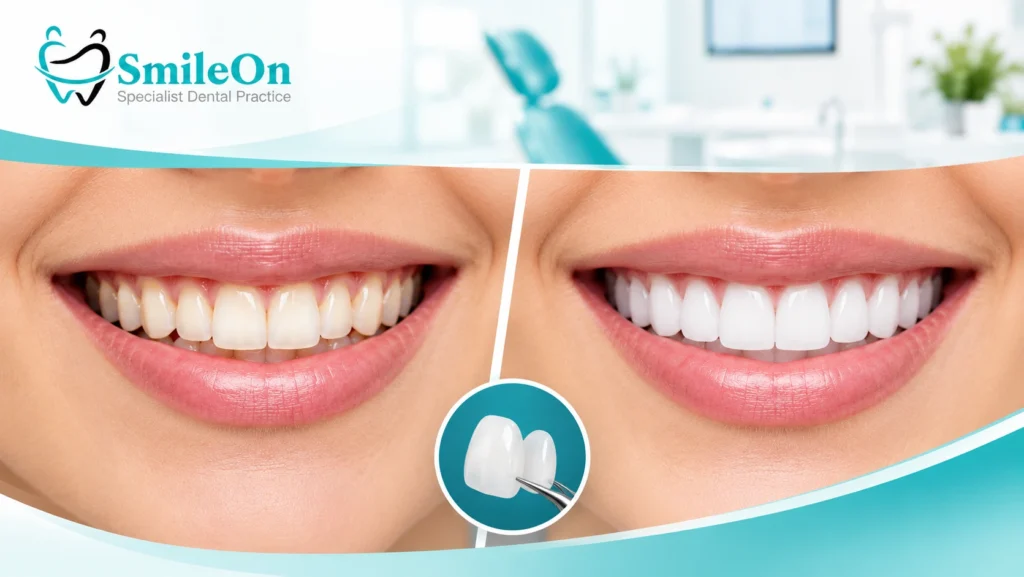
When comparing dental veneer treatment before and after results, it is helpful to look beyond the change in tooth color. Before treatment, a patient may have stained enamel, chipped edges, uneven tooth shapes, or small gaps. After treatment, the teeth may appear brighter, more balanced, and more uniform. The amount of improvement varies from person to person. Someone with mild discoloration may experience a subtle change, while someone addressing several cosmetic concerns may notice a more significant difference.
Keep in mind that photographs can be affected by lighting, camera angles, and image editing. Genuine before-and-after images taken under similar conditions provide a more useful comparison. Your dentist should explain what veneers can realistically achieve in your case rather than promising a particular appearance.
How Does the Dental Veneer Procedure Work?
Knowing what happens during treatment can make the process feel more straightforward. The exact steps depend on whether you choose porcelain veneers or composite veneers.
Initial Dental Consultation
The process begins with a dental examination and a discussion about your concerns. You can explain whether you want to improve tooth color, repair small chips, change the shape of your teeth, or address several issues together.
Your dentist will examine your teeth, gums, and bite to determine whether veneers are appropriate. Any existing cavities or gum problems may need to be treated first.
Choosing the Right Veneer Material
Two commonly used options are porcelain and composite resin. Porcelain veneers are custom-made outside the mouth and are known for their natural appearance and resistance to staining. Composite veneers use tooth-colored resin that can sometimes be applied and shaped directly on the teeth. The right choice depends on your cosmetic goals, oral health, budget, and the amount of tooth preparation required.
Preparing the Teeth
Traditional porcelain veneers often require a small amount of enamel to be removed so the veneers can fit properly. The amount of preparation varies according to the tooth and treatment design.
Some veneers require minimal or no tooth preparation, depending on the patient’s dental condition. However, traditional porcelain veneers usually involve removing a thin layer of enamel, making the procedure irreversible. Your dentist will explain the amount of preparation required before treatment.
Placing the Veneers
For porcelain veneers, impressions or digital scans are generally used to create custom restorations. Temporary veneers may be provided when needed while the permanent ones are being made. At a later appointment, the dentist checks the fit, color, and shape before bonding the veneers to the teeth.
Composite veneers may sometimes be completed in a single visit. Your dentist will explain the expected number of appointments for your treatment plan.
Porcelain vs. Composite Veneers: Which Is Better?
Both options can improve the appearance of teeth, but they have different characteristics.
Porcelain veneers offer a lifelike appearance and generally resist stains well. They usually require laboratory fabrication and may involve a higher initial cost.
Composite veneers can be more affordable and may be completed more quickly. However, composite material is generally more prone to staining and wear and may need more frequent maintenance.
Neither option is automatically best for everyone. Your dentist can compare the benefits, limitations, and long-term costs based on your individual needs.
Do Dental Veneers Hurt?
Many patients worry about discomfort before having veneers placed. The experience depends on the procedure and whether tooth preparation is necessary. Local anesthesia may be used during preparation to improve comfort. After treatment, some patients experience temporary sensitivity to hot or cold foods and drinks.
If discomfort persists, your bite feels uneven, or a veneer feels loose, contact your dentist for an examination. These symptoms should not be ignored.
How Long Can You Expect Your Veneers to Last?
Veneers can last for many years, but their lifespan depends on the material, oral hygiene, bite, and everyday habits. Porcelain veneers often last around 10 to 15 years or longer with appropriate care. Composite veneers generally have a shorter lifespan and may require repairs or replacement sooner.
To help protect your investment:
- Brush twice daily with fluoride toothpaste.
- Clean between your teeth every day.
- Avoid chewing ice or biting hard objects.
- Do not use your teeth to open packages.
- Ask your dentist about a night guard if you grind your teeth.
- Attend regular dental examinations.
Remember that veneers cover only part of the tooth. The natural tooth underneath can still develop decay, and the surrounding gums still need proper care.
Are You a Suitable Candidate for Dental Veneer Treatment?
Patients with untreated cavities, active gum disease, significant bite problems, or severe teeth grinding may require additional treatment or preventive measures before veneers can be considered. A consultation at SmileOn Dental can help you understand these alternatives before making a decision.
What Should You Know Before Getting Veneers?
Before starting treatment, ask your dentist a few important questions:
- How much natural tooth structure will need to be removed?
- Which veneer material is appropriate for my teeth?
- How will the final color and shape be selected?
- What is the total cost, including future maintenance?
- What happens if a veneer chips or comes loose?
- Are there less invasive alternatives for my concerns?
These questions help you understand both the immediate results and the responsibilities that come with maintaining veneers. Choosing treatment based only on appearance or price may lead to disappointment. A good treatment plan should consider your oral health, comfort, and long-term needs.
Frequently Asked Questions
1. How soon can I see results after dental veneer treatment?
Composite veneers may be completed in one appointment in suitable cases. Porcelain veneers usually require multiple visits because the custom restorations need to be fabricated before placement.
2. Will my veneers look like natural teeth?
Veneers can look natural when the shape, shade, size, and translucency are carefully selected. Your dentist should discuss the planned appearance with you before treatment.
3. Can dental veneers fix yellow teeth?
Veneers can cover certain types of discoloration. However, if your teeth are otherwise healthy and the stains respond to whitening, professional teeth whitening may be a less invasive option.
4. Can I eat normally after getting veneers?
Most patients can return to their usual diet after any initial sensitivity or treatment-related restrictions have passed. Avoid biting very hard objects, and follow your dentist’s specific instructions.
5. Are veneers permanent?
Traditional veneers are generally considered irreversible because some enamel is usually removed during preparation. The veneers themselves may eventually need replacement, so long-term maintenance is important.
6. Do veneers require special cleaning?
Veneers do not usually require a complicated cleaning routine. Regular brushing, daily flossing, and professional dental checkups help protect the veneers and the natural teeth supporting them.
Improve Your Smile With the Right Dental Advice
Dental veneer treatment can be an effective way to improve the appearance of stained, chipped, or uneven teeth. The best results come from understanding what the procedure can achieve, choosing a suitable material, and maintaining good oral health after placement. Before making a decision, take time to discuss your concerns, expectations, and alternatives with a qualified dental professional.
At SmileOn Dental, you can explore your cosmetic dentistry options and learn whether veneers are suitable for your smile. A personalized consultation is the first step toward choosing treatment that supports both your appearance and your long-term dental health.