Worn teeth are a common dental concern that can develop gradually over time. Many people notice that their teeth look shorter, feel sensitive, or have become less comfortable when eating. In some cases, tooth wear can also affect the appearance of a smile and make everyday activities such as chewing more difficult.
The good news is that worn teeth treatment can help restore both the function and appearance of damaged teeth. The right treatment depends on how much tooth structure has been lost and what caused the wear in the first place.
At SmileOn Dental, patients can receive personalized dental care based on their oral health, concerns, and treatment needs. Understanding the causes and available treatment options is an important first step toward protecting and restoring worn teeth.
What Causes Teeth to Become Worn?
Teeth can wear down for several different reasons. Identifying the cause is important because treating the underlying problem can help prevent further damage.
Teeth Grinding and Clenching
Bruxism, commonly known as teeth grinding or clenching, is one of the major causes of excessive tooth wear. It can happen during sleep or while a person is awake, often without them realizing it. Regular grinding can gradually flatten the chewing surfaces of teeth and may also cause jaw discomfort or tooth sensitivity.
Acid Erosion
Acid can weaken the outer layer of the teeth, known as enamel. Frequent exposure to acidic foods and drinks, such as soft drinks, citrus products, and certain juices, can contribute to enamel erosion. Acid reflux and other conditions that bring stomach acid into the mouth may also increase the risk of tooth erosion.
Abrasion
Using excessive force while brushing or using a hard-bristled toothbrush can contribute to abrasion. Certain habits, such as chewing on pens, fingernails, or other hard objects, may also damage the tooth surface.
Natural Aging
Some degree of tooth wear can occur naturally as people get older. However, significant or rapid wear should not simply be considered a normal part of aging. It may indicate an underlying dental issue that needs attention.
What are the Signs of Worn Teeth?
Tooth wear does not always cause noticeable symptoms at first. As the condition progresses, however, several signs may become visible.
Common symptoms include:
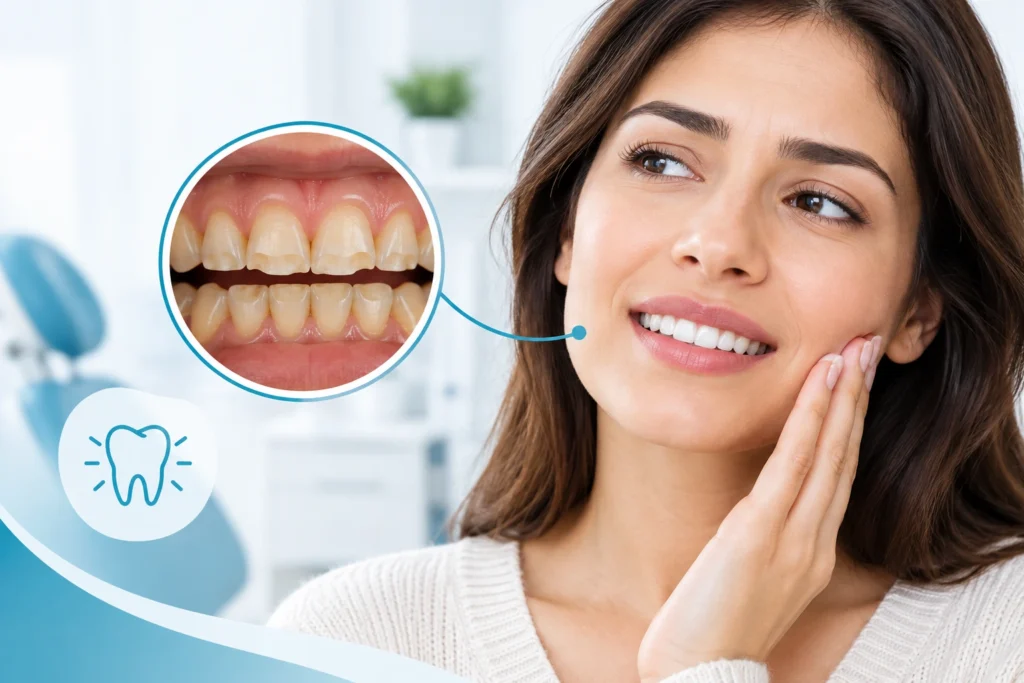
- Teeth appearing shorter or flatter
- Increased tooth sensitivity
- Small cracks or chips
- Changes in the shape of teeth
- Difficulty chewing certain foods
- Rough or uneven tooth surfaces
- Increased sensitivity to hot and cold foods
- Jaw discomfort caused by grinding or clenching
- Changes in the appearance of the smile
If you notice these changes, a dental examination can help determine the extent and cause of the tooth wear.
How Is Worn Teeth Treatment Performed?
There is no single treatment that is suitable for every patient. A dentist first examines the teeth and evaluates the amount of enamel and tooth structure that has been lost. Depending on the condition, worn teeth treatment may include preventive care, cosmetic restoration, or more extensive restorative procedures.
1. Dental Bonding
Dental bonding can be useful when tooth wear is mild or moderate. A tooth-colored composite material is applied to the affected area and shaped to improve the tooth’s appearance and function. Bonding can help rebuild small areas of lost tooth structure and may provide a relatively simple option for suitable cases.
2. Dental Crowns
When teeth have experienced significant structural damage, dental crowns may be recommended. A crown covers the damaged portion of a tooth and helps restore its shape, strength, and function. Crowns may be considered when there is not enough healthy tooth structure for a more conservative restoration.
3. Dental Veneers
In selected cases, veneers can improve the appearance of worn or damaged front teeth. Veneers are thin restorations placed over the visible surface of a tooth. They are primarily used for aesthetic improvement and are not appropriate for every type or severity of tooth wear.
4. Dental Onlays or Other Restorations
When damage affects a larger portion of a tooth but a full crown is not necessary, an onlay or another type of restoration may be considered. The dentist chooses the restoration based on the location and extent of tooth damage.
5. Treatment for Teeth Grinding
If grinding or clenching is responsible for tooth wear, simply restoring the teeth may not be enough. The underlying habit also needs to be addressed. A dentist may recommend a custom-made night guard to protect the teeth while sleeping. In some cases, additional evaluation may be needed to understand factors contributing to bruxism.
Can Worn Teeth Be Restored Naturally?
Once enamel has been significantly lost, it cannot naturally grow back. However, early tooth wear can often be managed by reducing the factors responsible for the damage. Using fluoride toothpaste, maintaining good oral hygiene, reducing frequent exposure to acidic foods and drinks, and addressing teeth grinding can help protect the remaining tooth structure. Professional dental treatment can then restore areas where substantial tooth structure has already been lost.
How Can You Prevent Further Tooth Wear?
Preventing additional damage is an important part of managing worn teeth. Simple changes can make a significant difference.
Consider the following:
- Brush gently with a soft-bristled toothbrush.
- Avoid brushing immediately after consuming highly acidic foods or drinks.
- Limit frequent consumption of acidic beverages.
- Do not use your teeth to open packages or bite hard objects.
- Discuss nighttime grinding with your dentist.
- Use a dentist-recommended mouthguard if appropriate.
- Maintain regular dental checkups.
- Follow professional advice for protecting restored teeth.
Early attention can help prevent minor tooth wear from becoming a more complicated dental problem.
When Should You See a Dentist for Worn Teeth?
You should consider seeing a dentist if your teeth are becoming visibly shorter, increasingly sensitive, chipped, or uncomfortable while eating. It is especially important to seek professional advice if the changes appear to be happening quickly.
A dental examination can identify the cause of the wear and determine whether treatment is necessary. Early diagnosis may allow the dentist to use a more conservative approach and help preserve healthy tooth structure.
Why Choose SmileOn Dental for Worn Teeth Treatment?
Choosing the right dental clinic is important when teeth have experienced significant wear. SmileOn Dental focuses on personalized dental care and treatment planning based on each patient’s individual needs.
Rather than treating tooth wear only as a cosmetic concern, a dentist should consider the condition of the teeth, bite, oral habits, and possible causes of the damage. This approach can help create a treatment plan designed to restore both appearance and function.
Whether the problem involves mild enamel wear or more extensive tooth damage, professional evaluation can help determine the most suitable solution.
Final Thoughts
Worn teeth can affect more than the appearance of your smile. Significant tooth wear may lead to sensitivity, changes in biting and chewing, and further damage if the underlying cause is not addressed. The appropriate worn teeth treatment depends on the severity of the condition and why the teeth have become worn. Options such as bonding, crowns, veneers, and protective appliances may be considered depending on the individual case.
If you are concerned about worn, sensitive, chipped, or shortened teeth, consulting a qualified dentist can help you understand your options. SmileOn Dental can assess your dental condition and help develop a treatment approach focused on restoring your smile and protecting your remaining natural teeth.
Frequently Asked Questions
Can worn teeth be repaired?
Yes, worn teeth can often be restored depending on the amount of tooth structure that has been lost. Treatment may include bonding, crowns, veneers, or other restorative options.
What is the best treatment for worn teeth?
There is no single best treatment for everyone. The ideal option depends on the cause and severity of tooth wear, the condition of the teeth, and the patient’s overall oral health.
Can worn teeth grow back?
Tooth enamel does not naturally regenerate after it has been permanently lost. However, proper dental care and restorative treatment can help protect and rebuild the appearance and function of worn teeth.
Does teeth grinding cause worn teeth?
Yes. Frequent grinding or clenching can gradually wear down tooth surfaces. A dentist may recommend a night guard or other measures to protect the teeth.
Is worn teeth treatment painful?
The level of discomfort depends on the type of treatment required and the condition of the teeth. Dentists can use appropriate techniques to keep restorative procedures as comfortable as possible.
Can worn teeth cause sensitivity?
Yes. As protective enamel becomes thinner, the underlying parts of the tooth may become more exposed, which can increase sensitivity to hot, cold, sweet, or acidic foods and drinks.
How can I stop my teeth from wearing down?
Identifying the cause is important. Good oral hygiene, gentle brushing, reducing acidic exposure, avoiding hard objects, and addressing teeth grinding can help reduce further tooth wear.