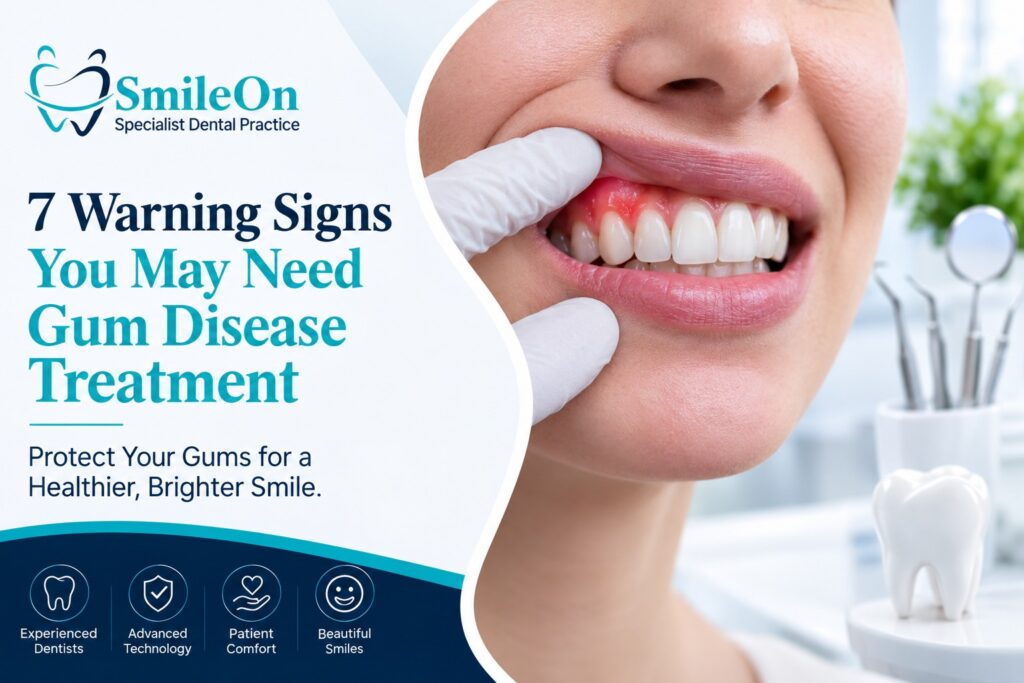
Healthy gums do more than keep your teeth in place. They protect the tissues around your teeth and play an important role in your overall oral health. However, gum disease can develop gradually, and many people do not notice the early symptoms until the condition becomes more serious.
Knowing the warning signs can help you seek professional care at the right time. If you are experiencing ongoing gum problems, consulting a dental professional for Gum Disease Treatment in Lahore can help protect your gums, teeth, and smile.
What Is Gum Disease?
Gum disease, also known as periodontal disease, is an infection and inflammation of the tissues that support your teeth. It commonly begins when plaque, a sticky layer of bacteria, builds up around the gumline.
When plaque is not removed properly, it can harden into tartar. Over time, this buildup can irritate the gums and contribute to infection. In its early stage, gum disease is often called gingivitis. Without proper care, it may progress into periodontitis, which can damage the tissues and bone supporting the teeth. The good news is that early detection and professional dental care can help manage gum disease effectively.
7 Warning Signs You May Need Gum Disease Treatment
1. Your Gums Bleed When You Brush or Floss
Occasional bleeding should not simply be considered normal. If your gums regularly bleed while brushing or flossing, it may be a sign of inflammation caused by plaque buildup.
Healthy gums generally should not bleed during routine oral hygiene. Persistent bleeding is a reason to schedule a dental examination, especially if it continues despite gentle brushing and regular flossing.
2. Your Gums Look Red or Swollen
Healthy gums are usually firm and pink. Red, swollen, tender, or puffy gums can indicate inflammation.
Gum inflammation is one of the common early signs of gum disease. Treating the problem at this stage may help prevent it from progressing. If swelling continues for several days or keeps returning, professional evaluation is recommended.
3. You Have Persistent Bad Breath
Bad breath can happen after eating certain foods or when oral hygiene is neglected. However, persistent bad breath or an unpleasant taste in the mouth may sometimes be associated with gum problems.
Bacteria trapped around the gums can contribute to unpleasant odors. If regular brushing, flossing, tongue cleaning, and drinking water do not improve the problem, it may be worth having your gums checked by a dentist.
4. Your Gums Are Pulling Away From Your Teeth
If your teeth appear longer than they used to, your gums may have started to recede. Gum recession can expose more of the tooth surface and may make the teeth appear unusually long.
Receding gums can have several causes, including gum disease and aggressive brushing. Because recession can expose sensitive areas of the teeth and affect gum health, a dental examination can help identify the underlying cause.
5. Your Teeth Feel Loose or Have Changed Position
Loose teeth should never be ignored. Advanced gum disease can affect the tissues and bone that support your teeth, potentially causing teeth to become loose or shift position.
You may notice that your bite feels different or that spaces between certain teeth have changed. These symptoms require professional attention because they can indicate damage to the structures supporting your teeth.
6. Your Gums Are Tender or Painful
Gum disease does not always cause significant pain in its early stages, but tenderness, soreness, or discomfort around the gums can indicate an underlying problem.
Pain may also be linked to other dental conditions, so it is important not to assume the cause. A dentist can examine your gums and teeth to determine what is causing the discomfort and recommend appropriate treatment.
7. You Notice Pus Around Your Gums
Pus around the gums or between the teeth and gums can be a sign of infection. This is not something that should be treated as a minor oral health issue.
If you notice pus, swelling, significant discomfort, or a bad taste associated with an affected area, arrange a dental examination as soon as possible. Prompt professional care can help prevent the infection from becoming more severe.
Why Early Gum Disease Treatment Matters
Gum disease can become more difficult to manage when it is left untreated. Early treatment focuses on controlling inflammation, removing harmful buildup, and improving daily oral hygiene. Depending on the severity of the condition, a dentist may recommend professional cleaning, deep cleaning procedures, improved home-care techniques, or other periodontal treatments.
Early attention can also help reduce the risk of complications such as gum recession, tooth mobility, and damage to the supporting bone.
How Can You Reduce Your Risk of Gum Disease?
Good daily habits can play an important role in maintaining healthy gums. Consider these simple steps:
- Brush your teeth twice a day with a soft-bristled toothbrush.
- Clean between your teeth daily using floss or another suitable interdental cleaner.
- Avoid ignoring bleeding, swelling, or persistent gum discomfort.
- Maintain regular dental checkups and professional cleanings.
- Limit habits that can negatively affect your oral health.
- Follow your dentist’s recommendations for maintaining healthy gums.
Good oral hygiene does not replace professional dental care, but it can significantly support your gum health between dental visits.
When Should You See a Dentist?
You should consider scheduling a dental appointment if you have recurring gum bleeding, swelling, persistent bad breath, gum recession, loose teeth, or other unusual changes in your gums.
It is particularly important to seek professional advice if symptoms are getting worse rather than improving. A dentist can examine your gums, assess the severity of the condition, and determine whether you need Gum Disease Treatment in Lahore.
Protect Your Gums and Your Smile
Gum disease can develop quietly, but your mouth often provides warning signs before the condition becomes advanced. Bleeding gums, swelling, persistent bad breath, recession, loose teeth, tenderness, and pus should not be ignored.
If you have noticed any of these symptoms, consider arranging a dental examination with SmileOn Dental Care. Professional assessment and timely treatment can help protect your gums and support a healthier, more confident smile.
Remember, healthy gums are an important part of a healthy smile. Taking action when you notice a problem can make a meaningful difference to your long-term oral health.