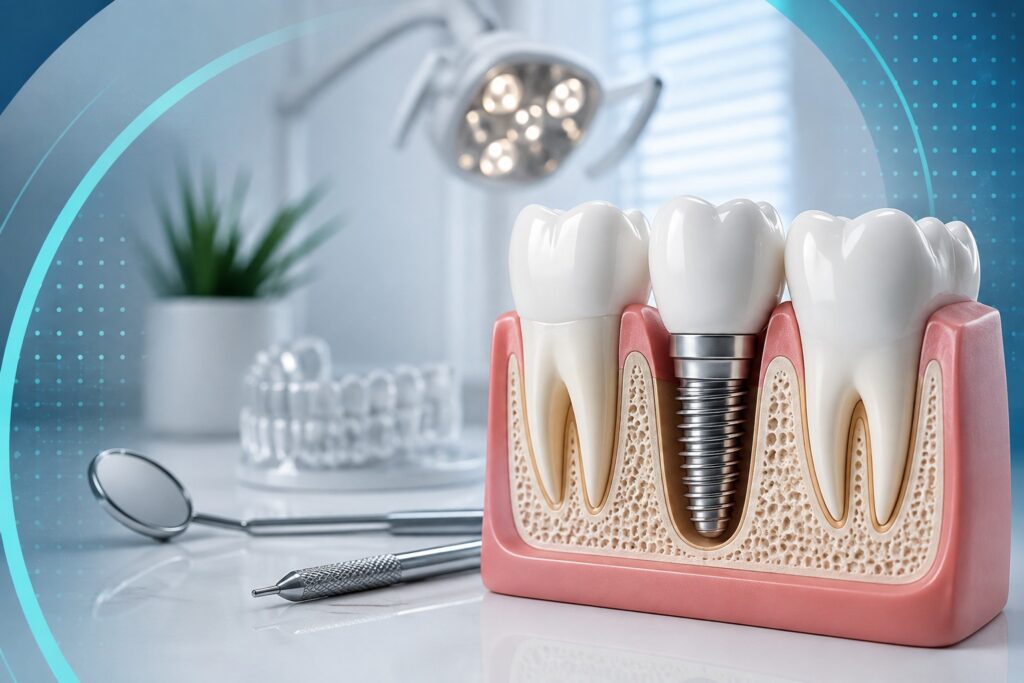
Getting a dental implant is an important step toward restoring your smile, chewing ability, and confidence. However, the success of the treatment does not end when the implant procedure is complete. Proper aftercare plays a major role in keeping your implant healthy and supporting the surrounding gums and bone.
If you have recently undergone Dental Implant Treatment in Lahore, following your dentist’s instructions carefully can help reduce the risk of complications and support a smooth recovery. With good oral hygiene and regular dental visits, dental implants can remain functional and comfortable for many years.
What to Expect After Dental Implant Treatment
Some tenderness, swelling, or mild discomfort can occur during the first few days after implant surgery. These symptoms are generally part of the normal healing process. Your dentist may provide specific instructions about medication, eating, cleaning your mouth, and physical activity. These instructions can vary depending on the number of implants placed and the type of procedure performed.
It is important not to compare your recovery with someone else’s. Every patient heals differently, so follow the advice provided by your dental professional.
Keep Your Mouth Clean
Good oral hygiene is one of the most important parts of dental implant care. Although an implant cannot develop a cavity like a natural tooth, the gums and tissues around it can still become infected. Brush your teeth gently using a soft-bristled toothbrush. Pay attention to the areas around the implant without applying excessive pressure. Your dentist may also recommend an antimicrobial mouthwash or other cleaning method during the early healing period.
Once your dentist says it is safe, continue cleaning between your teeth with floss, interdental brushes, or another recommended cleaning aid.
Choose Soft Foods During Recovery
Eating the right foods can make the recovery period more comfortable and protect the treated area.
During the first few days, soft foods are usually easier to eat. Depending on your dentist’s recommendations, suitable options may include:
- Mashed potatoes
- Yogurt
- Soft eggs
- Smooth soups
- Oatmeal
- Soft rice
- Cooked vegetables
- Smoothies
Try to avoid very hard, crunchy, sticky, or chewy foods while the implant area is healing. You should also avoid chewing directly on the surgical site until your dentist gives you permission.
Avoid Smoking and Tobacco
Smoking can interfere with the healing process and increase the risk of complications following implant surgery. Tobacco can affect the tissues in the mouth and may make it more difficult for the implant to integrate properly with the surrounding bone. For this reason, your dentist may strongly recommend avoiding smoking and other tobacco products during recovery and, ideally, afterward as well.
If you smoke, discuss your habits honestly with your dental professional so they can provide appropriate guidance for protecting your implant.
Take Medication as Prescribed
Your dentist may recommend pain medication or other medicines after the procedure. Take them exactly as instructed.
Do not increase the dose or stop prescribed medication without speaking with your dentist. If you experience an unexpected reaction or your discomfort becomes severe, contact your dental clinic for advice.
Protect Your Dental Implant From Excessive Pressure
Dental implants need time to heal and become stable. Putting unnecessary pressure on the treated area during the early stages can interfere with recovery.
Avoid biting hard objects such as pens, ice, or fingernails. If you grind or clench your teeth, tell your dentist. A custom night guard may be recommended in some cases to help protect your teeth and implant from excessive forces.
Attend Follow-Up Dental Appointments
Follow-up appointments are an important part of Dental Implant Treatment in Lahore. Your dentist needs to monitor the healing process and check whether the implant and surrounding tissues are developing as expected.
During these visits, your dentist may examine the gums, check the implant’s stability, and assess your overall oral health. Once your final restoration has been placed, regular dental checkups can help identify potential problems before they become more serious.
Watch for Signs of a Problem
Knowing what is normal during recovery can help you recognize when professional advice may be necessary.
Contact your dentist if you experience:
- Increasing pain instead of gradual improvement
- Significant or persistent swelling
- Continued bleeding
- Pus or unusual discharge around the implant
- Persistent bad taste or odor
- An implant or restoration that feels loose
- Fever or other signs of infection
Do not ignore unusual symptoms. Early professional evaluation can help prevent a minor concern from becoming a larger problem.
Maintain Healthy Gums Around the Implant
Healthy gums provide important support and protection around dental implants. Plaque buildup around an implant can contribute to inflammation and other oral health problems.
Continue brushing twice a day and cleaning between your teeth as recommended by your dentist. Professional dental cleanings may also be useful for removing buildup that regular brushing cannot completely eliminate.
Remember that having dental implants does not mean you no longer need to care for your oral health. In fact, consistent maintenance becomes especially important after treatment.
Limit Habits That Can Damage Your Teeth
Certain everyday habits can put unnecessary stress on dental implants and natural teeth. Avoid using your teeth to open packages, crack hard items, or bite objects that are not food.
If you regularly chew ice or other hard substances, consider stopping the habit. These behaviors can damage crowns, bridges, natural teeth, and implant restorations.
How Long Can Dental Implants Last?
The lifespan of a dental implant depends on several factors, including oral hygiene, overall dental health, lifestyle habits, bone support, and regular professional care.
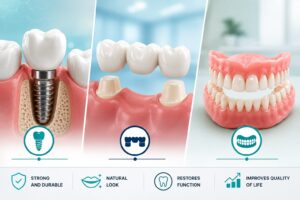
A well-maintained implant can provide long-term tooth replacement. However, the implant and the visible restoration are not exactly the same thing. The crown, bridge, or denture attached to an implant may eventually require repair or replacement due to normal wear.
Taking care of your implant and attending routine dental appointments can help maximize its longevity.
Why Professional Dental Care Still Matters
Even if your implant feels completely normal, routine dental visits should remain part of your oral care routine. Your dentist can examine areas that may be difficult for you to see and identify early signs of inflammation or other concerns.
Professional care also gives you an opportunity to discuss changes in your bite, sensitivity, discomfort, or problems with cleaning around the implant.
Dental Implant Care at SmileOn Dental Care
At SmileOn Dental Care, patients can receive professional guidance throughout their dental implant journey. From understanding the treatment process to learning how to care for implants after treatment, personalized dental advice can make the recovery and maintenance process easier.
If you are considering implants or have questions about caring for an existing implant, speaking with a qualified dental professional is the best way to understand what is appropriate for your specific situation.
Final Thoughts
Dental implants can be a reliable way to replace missing teeth, but proper aftercare is essential for protecting your investment. Maintain good oral hygiene, follow your dentist’s instructions, choose suitable foods during recovery, avoid smoking, and attend regular dental checkups.
If you have recently received an implant or are considering Dental Implant Treatment in Lahore, professional guidance from SmileOn Dental Care can help you understand the best ways to protect your oral health and keep your smile looking and feeling its best.