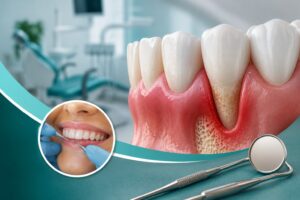
Brushing your teeth every day is an important part of keeping your mouth clean and healthy. But what if your breath still smells unpleasant even after brushing? This is a common concern, and brushing alone does not always solve the problem.
Bad breath, also known as halitosis, can have several causes. Bacteria on the tongue, food particles between the teeth, dry mouth, gum disease, cavities, and certain foods can all contribute to unpleasant breath. In some cases, persistent bad breath may be related to an underlying dental or health condition that needs professional attention.
At SmileOn Dental Care, we understand that persistent bad breath can affect your confidence and everyday interactions. Finding the cause is the first step toward choosing the right bad breath treatment and maintaining better oral health.
What Causes Bad Breath Even After Brushing?
There are several reasons why bad breath can continue after brushing. Understanding these causes can help you decide when simple changes to your oral hygiene routine may be enough and when you should see a dentist.
1. Bacteria on the Tongue
Your tongue can collect bacteria, dead cells, and small food particles throughout the day. These substances can produce compounds that cause an unpleasant smell.
Brushing your teeth removes plaque and bacteria from the teeth, but it does not always clean the tongue thoroughly. Gently brushing your tongue or using a tongue scraper can help reduce bacterial buildup and support fresher breath.
2. Food Trapped Between Your Teeth
Brushing cannot always reach the narrow spaces between your teeth. Small food particles can become trapped around the teeth and gumline, where bacteria can break them down and create unpleasant odors.
Daily flossing or using an appropriate interdental cleaner can help remove this buildup. Keeping these areas clean is an important part of maintaining fresh breath and good oral hygiene.
3. Gum Disease
Gum disease is another possible cause of persistent bad breath. Plaque buildup around the gumline can irritate the gums and lead to inflammation.
You may have a gum problem if you notice:
- Red or swollen gums
- Bleeding while brushing or flossing
- Tender or sensitive gums
- Persistent bad breath
- Receding gums
- Loose teeth in more advanced cases
If bad breath occurs together with these symptoms, it is worth scheduling a dental examination. Treating the underlying gum problem may be an important part of effective bad breath treatment.
4. Dry Mouth
Saliva plays an important role in keeping your mouth clean. It helps wash away food particles and bacteria. When your mouth does not produce enough saliva, bacteria can build up more easily and contribute to bad breath.
Dry mouth can occur because of dehydration, certain medications, mouth breathing, or other factors. It can also be more noticeable when you wake up in the morning because saliva production naturally decreases during sleep.
Drinking enough water and addressing the underlying cause of dry mouth may help improve breath odor.
5. Cavities and Tooth Decay
Untreated cavities can contribute to bad breath. A damaged or decayed tooth may create spaces where bacteria and food particles collect, making the area difficult to clean properly.
If you have bad breath along with tooth sensitivity, pain, or visible damage, a dental examination can help determine whether tooth decay is involved.
Treating the cavity may help remove the source of the odor and protect the tooth from further damage.
6. Dental Infections
A dental infection can sometimes cause a persistent unpleasant taste or smell in the mouth. It may develop when bacteria enter the inner part of a severely damaged or decayed tooth.
Possible warning signs include:
- Severe tooth pain
- Swelling around the tooth or face
- Increased sensitivity
- A bad taste in the mouth
- Fever in more serious cases
A suspected dental infection should not be ignored. Professional dental care is important because untreated infections can become more serious.
7. Can Stomach Problems Cause Bad Breath?
Most cases of bad breath start in the mouth, but in some cases, persistent bad breath may be associated with health conditions outside the mouth. Acid reflux, also known as GERD, may contribute to an unpleasant taste or breath odor.
Tonsil stones and certain sinus or throat conditions can also affect breath odor. Some gastrointestinal conditions may be associated with bad breath as well, although these are not considered the most common causes.
If bad breath continues despite good oral hygiene and a dental examination does not identify an oral cause, you may be advised to consult a physician or ENT specialist for further evaluation.
8. Certain Foods and Drinks
Some foods and drinks can temporarily affect the smell of your breath. Garlic, onions, strong spices, and coffee are common examples.
These odors generally improve as the food is digested and eliminated from the body. Drinking water, cleaning your tongue, and maintaining good oral hygiene can help reduce food-related breath odor.
9. Smoking and Tobacco Use
Smoking and tobacco products can contribute to persistent bad breath. Tobacco can also dry the mouth and encourage the buildup of bacteria.
Regular tobacco use can affect your gums and overall oral health as well. Reducing or quitting tobacco can help improve your breath while supporting better oral health.
10. Incomplete Oral Hygiene
Even if you brush twice a day, your oral hygiene routine may still be incomplete.
Good oral care should include:
- Brushing twice a day
- Cleaning between your teeth
- Cleaning your tongue
- Drinking enough water
- Regular dental checkups
These habits help reduce plaque, bacteria, and food particles that can contribute to unpleasant breath.
Why Does My Breath Smell Bad After Brushing?
If your breath smells bad shortly after brushing, the problem may not be your toothpaste or toothbrush. The odor could be coming from bacteria on your tongue, plaque between your teeth, gum problems, dry mouth, or another underlying issue.
Toothpaste and mouthwash can make your breath feel fresh for a while, but this does not necessarily address the cause of persistent bad breath.
If the problem continues despite regular brushing and flossing, a dental examination at SmileOn Dental Care can help determine what may be causing the problem.
How is Bad Breath Treated?
The appropriate bad breath treatment depends on the underlying cause. There is no single treatment that works for everyone.
Depending on your oral health, treatment may involve:
- Improving brushing and flossing habits
- Cleaning the tongue regularly
- Professional dental cleaning
- Treating gum disease
- Treating cavities
- Addressing dental infections
- Managing dry mouth
- Increasing water intake
- Making appropriate lifestyle changes
A dentist can examine your teeth, gums, tongue, and mouth to identify possible causes of persistent bad breath and recommend appropriate care.
If no oral cause is found, your dentist may recommend discussing the problem with another healthcare professional, such as a physician or ENT specialist, depending on your symptoms.
How Can You Prevent Bad Breath?
A consistent oral hygiene routine can help reduce the chances of developing persistent bad breath.
Brush Your Teeth Twice a Day
Brush for about two minutes in the morning and before bed. Use fluoride toothpaste and pay attention to the gumline as well as the surfaces of your teeth.
Floss or Clean Between Your Teeth
Food and plaque can remain between teeth even after brushing. Cleaning these areas daily helps remove buildup that may contribute to bad breath.
Clean Your Tongue
Gently clean your tongue every day to remove bacteria and buildup. A tongue scraper can also be used if it is comfortable for you.
Drink Enough Water
Drinking water throughout the day helps prevent dry mouth and supports normal saliva production.
Limit Tobacco Use
Smoking and tobacco can contribute to bad breath and increase the risk of oral health problems. Avoiding tobacco can support healthier gums and fresher breath.
Visit Your Dentist Regularly
Regular dental checkups can help identify cavities, gum problems, plaque buildup, and other oral health issues before they become more difficult to manage.
When Should You See a Dentist for Bad Breath?
Occasional bad breath is normal, especially after eating certain foods or waking up in the morning. Persistent bad breath, however, should not always be ignored.
Consider seeing a dentist if:
- Your bad breath continues despite good oral hygiene
- Your gums bleed when brushing or flossing
- Your gums are swollen or tender
- You have ongoing tooth pain
- You notice a persistent bad taste
- You have tooth sensitivity
- You notice swelling around a tooth
- Bad breath is affecting your confidence or daily life
Finding the underlying cause can make treatment more effective and help protect your overall oral health.
Can Mouthwash Cure Bad Breath?
Mouthwash may temporarily make your breath feel fresher, but it does not necessarily treat the cause of persistent bad breath. For example, if the odor is caused by gum disease, a cavity, or a dental infection, mouthwash alone will not solve the underlying problem.
Mouthwash can be part of a good oral hygiene routine, but it should not replace brushing, cleaning between your teeth, tongue cleaning, and regular dental care.
Simple Daily Habits for Fresher Breath
Keeping your breath fresh does not have to be complicated. A few consistent habits can make a noticeable difference.
Try to:
- Brush your teeth twice daily
- Floss or clean between your teeth every day
- Clean your tongue
- Drink plenty of water
- Avoid smoking and tobacco
- Limit foods that cause strong breath odors
- Replace your toothbrush when it becomes worn
- Visit your dentist for regular checkups
These habits can help maintain a cleaner and healthier mouth while reducing common causes of unpleasant breath.
Frequently Asked Questions
Why do I still have bad breath after brushing?
Bad breath can continue after brushing because bacteria may remain on your tongue, between your teeth, or around your gums. Dry mouth, cavities, gum disease, and dental infections can also contribute to persistent odor.
How can I get rid of bad breath naturally?
Brushing twice a day, cleaning your tongue, flossing daily, drinking enough water, and avoiding tobacco can help improve breath odor. If the problem continues, a dental examination can help identify the underlying cause.
Is bad breath a sign of gum disease?
Persistent bad breath can be associated with gum disease, especially when it occurs with bleeding, swollen, or tender gums. A dentist can examine your gums and recommend appropriate care.
Does flossing help with bad breath?
Yes. Flossing removes food particles and plaque from between the teeth where a toothbrush cannot reach. Cleaning between your teeth regularly can help reduce bacteria that contribute to bad breath.
Can dry mouth cause bad breath?
Yes. Reduced saliva allows bacteria and food particles to remain in the mouth more easily, which can contribute to unpleasant breath. Staying hydrated and addressing the cause of dry mouth may help.
Can acid reflux cause bad breath?
Acid reflux or GERD may contribute to an unpleasant taste or breath odor in some people. However, most cases of bad breath originate in the mouth. If persistent bad breath continues despite good oral hygiene and no dental cause is found, further medical evaluation may be appropriate.
When should I seek bad breath treatment?
You should consider professional care if bad breath continues despite regular brushing and flossing, particularly if you also have tooth pain, bleeding gums, swelling, sensitivity, or a persistent bad taste.
Final Thoughts
Bad breath can occur even when you brush your teeth regularly. The cause may be something simple, such as bacteria on the tongue or food trapped between your teeth, but persistent odor can also be linked to dry mouth, gum disease, cavities, or dental infections.
In some cases, conditions outside the mouth, such as acid reflux, tonsil stones, or sinus and throat problems, may also be associated with unpleasant breath. This is why identifying the underlying cause is important rather than simply covering the smell with mints or mouthwash. Good oral hygiene, adequate hydration, healthy lifestyle habits, and regular dental visits can help keep your teeth, gums, and breath healthy.
If bad breath continues despite your daily oral care, SmileOn Dental Care can help identify possible oral health concerns and recommend an appropriate bad breath treatment based on your needs.