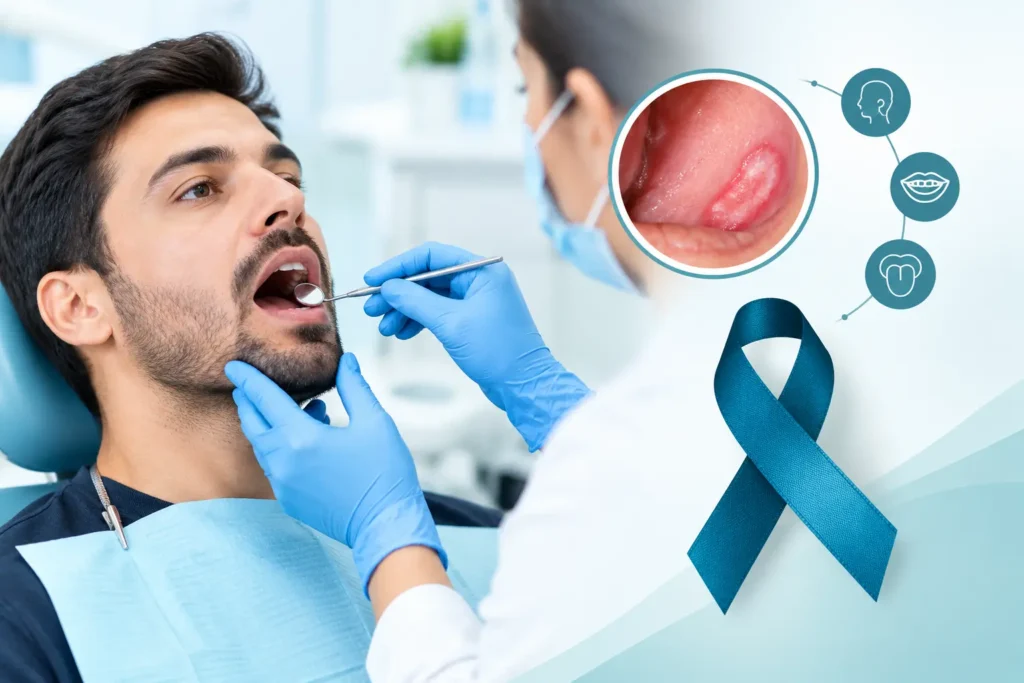
Hearing that you may need treatment for oral cancer can feel overwhelming. Patients often have many questions about what treatment involves, how long recovery may take, and what changes they might experience along the way. Having a clear understanding of the process can make it easier to prepare for each stage.
Oral Cancer Treatment is not the same for everyone. Your treatment plan depends on factors such as where the cancer is located, its stage, your overall health, and whether it has spread to nearby tissues. A healthcare team will evaluate these factors before recommending the most appropriate approach.
At SmileOn Dental, we believe that understanding your oral health is an important part of making informed decisions about your care. While dentists can help identify concerning changes in the mouth, cancer diagnosis and treatment require appropriate evaluation and care from qualified medical specialists.
What is Oral Cancer?
Oral cancer can develop in different areas of the mouth, including the lips, tongue, gums, inner cheeks, roof of the mouth, and floor of the mouth. It can sometimes begin with a small change that may initially seem harmless.
Possible warning signs include:
- A mouth sore that does not heal
- An unusual lump or thickened area
- Red or white patches
- Unexplained bleeding
- Persistent mouth or throat pain
- Difficulty chewing or swallowing
- Changes in speech
- Numbness in part of the mouth or lip
- A persistent lump or swelling in the neck
These symptoms can also occur with conditions that are not cancer. However, persistent or unusual changes should be checked by a dental or medical professional.
How Is Oral Cancer Diagnosed?
Before treatment begins, your healthcare provider needs to understand exactly what is causing the abnormal changes.
Oral Examination
A dentist or doctor will examine your mouth, tongue, gums, throat, and surrounding areas. They may also feel the neck for unusual swelling or enlarged lymph nodes.
Biopsy
If an area appears suspicious, a biopsy may be recommended. This involves taking a small tissue sample and sending it to a laboratory for examination. A biopsy can help determine whether cancer cells are present.
Imaging Tests
Depending on the situation, imaging tests such as CT scans, MRI scans, or PET scans may be used. These tests can help the medical team understand the size and location of the cancer and whether it has affected nearby structures.
What Treatments May Be Used?
There is no single treatment that works for every patient. Your oncology team will develop a treatment plan based on your individual diagnosis.
Surgery
Surgery may be used to remove cancerous tissue. The extent of surgery depends on the location and size of the cancer. In some cases, nearby lymph nodes may also need to be examined or removed. Your healthcare team will explain the procedure, expected recovery, and possible effects before surgery.
Radiation Therapy
Radiation therapy uses high-energy radiation to target cancer cells. It may be recommended after surgery, as a primary treatment in certain situations, or alongside other treatments.
Some patients may experience mouth soreness, dry mouth, changes in taste, or difficulty swallowing. Your healthcare team can provide advice for managing these effects.
Chemotherapy
Chemotherapy uses medicines to destroy cancer cells or slow their growth. Depending on the diagnosis, it may be used with radiation therapy or other treatments.
Side effects can vary between patients. Possible effects include tiredness, nausea, appetite changes, and other treatment-related symptoms.
Targeted Therapy and Immunotherapy
Some patients may be candidates for targeted therapy or immunotherapy. These treatments work differently from traditional chemotherapy and are selected according to the characteristics of the cancer and the patient’s overall treatment plan. Your oncologist will explain whether these options are appropriate for you.
What Can You Expect After Treatment?
Recovery is different for every patient. Someone who has undergone surgery may need time for tissues to heal, while patients receiving radiation or other therapies may experience changes in taste, swallowing, eating, or oral comfort. Follow-up appointments are an important part of recovery. Your healthcare team may monitor healing, manage side effects, and look for any signs that require additional evaluation.
Depending on your treatment, you may also receive guidance from dental professionals, nutrition specialists, speech and swallowing specialists, or other members of your care team.
Taking Care of Your Mouth During Treatment
Maintaining oral health can become especially important during cancer treatment. Your dental and medical providers may recommend a gentle oral-care routine based on your specific treatment.
Helpful steps may include:
- Keep your mouth clean using products recommended by your dental or medical team.
- Drink enough fluids unless your healthcare provider has given you different instructions.
- Choose softer foods if chewing or swallowing becomes uncomfortable.
- Avoid tobacco products.
- Follow your healthcare team’s advice regarding alcohol.
- Attend recommended dental and medical appointments.
- Tell your healthcare provider about new or worsening oral symptoms.
Do not start or stop oral-care products without asking your healthcare provider, particularly during active cancer treatment.
The Role of Dental Care
Dental care can be valuable throughout the cancer treatment journey. A dental professional can evaluate existing oral health problems and provide guidance on maintaining a healthy mouth.
At SmileOn Dental, our focus is on helping patients understand their oral health and recognize changes that may require professional attention. If you notice a persistent sore, unusual patch, swelling, or another unexplained change, a dental evaluation can help determine whether further assessment is needed.
How Long Does Oral Cancer Treatment Take?
The length of treatment varies considerably. It depends on the type and stage of cancer, the treatments selected, and how the individual responds to therapy.
Some patients may have surgery followed by a recovery period, while others may need several weeks of radiation, chemotherapy, or a combination of treatments. Your healthcare team can explain your expected treatment schedule after reviewing your diagnosis.
When Should You Seek Professional Evaluation?
Do not wait for a mouth problem to become painful before getting it checked. Some oral cancers may not cause significant discomfort in the early stages. If you notice a sore that does not heal, an unusual lump, persistent swelling, unexplained bleeding, a red or white patch, difficulty swallowing, or another change that does not go away, arrange an evaluation with a qualified dental or medical professional.
Early assessment does not necessarily mean that cancer is present, but it can help identify the cause and determine whether additional testing is needed.
Final Thoughts
Oral Cancer Treatment can help patients feel more prepared and informed. Treatment may include surgery, radiation therapy, chemotherapy, targeted therapy, immunotherapy, or a combination of approaches depending on the diagnosis.
At SmileOn Dental, we encourage patients to pay attention to changes in their oral health and seek professional evaluation when something does not seem right. Regular dental visits can also provide an opportunity for oral health concerns to be identified and discussed early.
If you are concerned about a persistent change in your mouth, speak with a qualified dental or medical professional for an appropriate evaluation and personalized guidance.
Frequently Asked Questions
1. What is the most common treatment for oral cancer?
Treatment depends on the type, location, and stage of oral cancer. Surgery, radiation therapy, chemotherapy, targeted therapy, and immunotherapy may be used alone or in combination.
2. Is oral cancer treatment painful?
Some treatments may cause discomfort or side effects, but pain management and supportive care are available. Your healthcare team can recommend appropriate ways to manage treatment-related discomfort.
3. How long does oral cancer treatment take?
Treatment duration varies from patient to patient. It may involve a single procedure followed by recovery or several weeks of treatments such as radiation or chemotherapy.
4. Can a dentist detect signs of oral cancer?
Yes. During a routine oral examination, a dentist may notice unusual sores, patches, lumps, or other changes that require further evaluation. A suspicious finding does not automatically mean cancer and may require additional testing.
5. When should I see a dentist about a mouth sore?
You should have a persistent or unusual mouth sore evaluated by a dental or medical professional, particularly if it does not heal or is accompanied by swelling, bleeding, pain, or other changes.